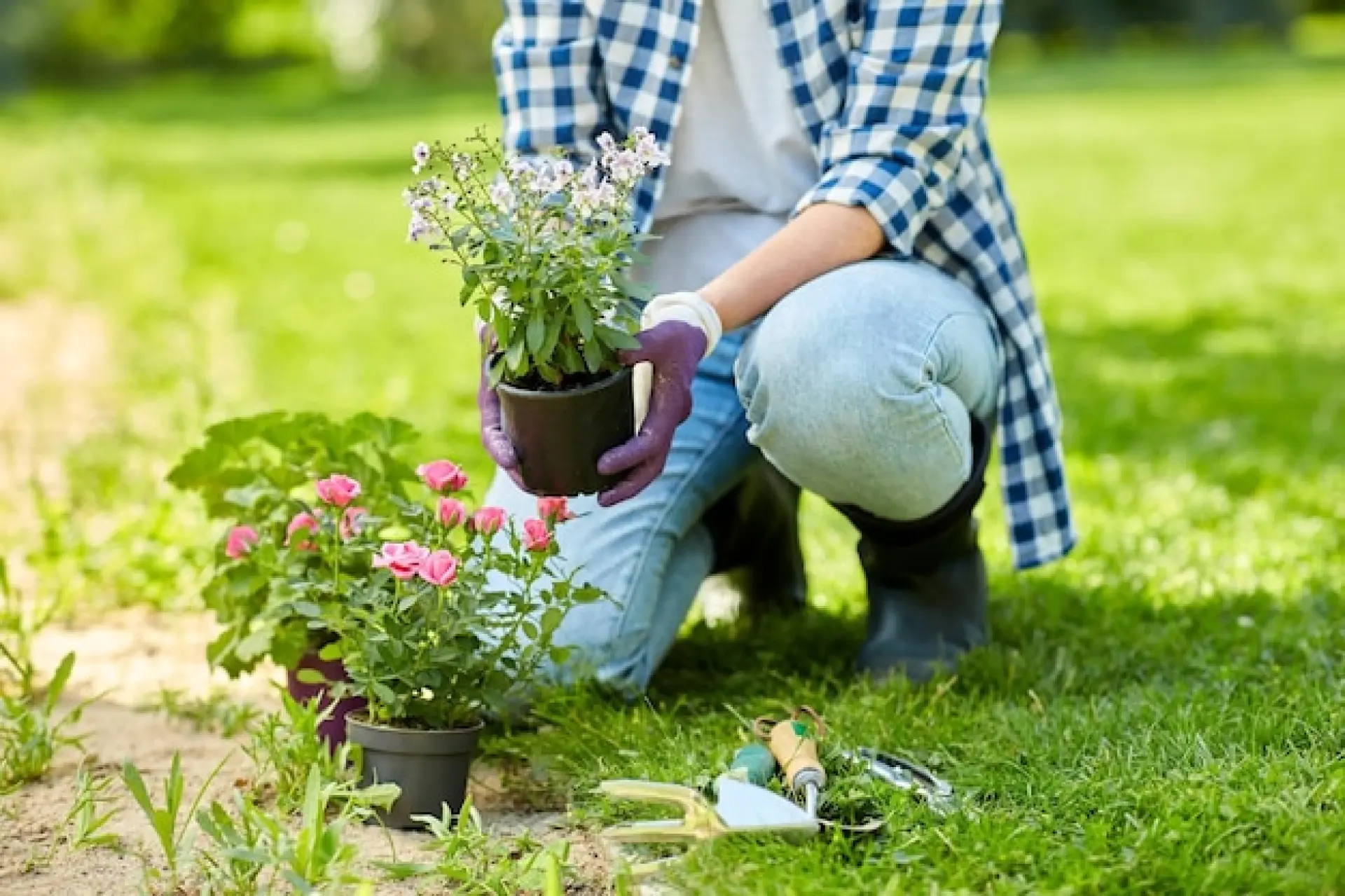

Get expert autumn garden clearance tips to help maintain your garden’s health, prevent pests, and prepare for winter. Transform your outdoor space and get your garden ready for the colder months.
Why Autumn Garden Clearance is Important
Clearing your garden during autumn is a good way to improve the health and resilience of your outdoor space. As the temperature drops and daylight shortens, plants slow down their growth and become more vulnerable. This time of year is ideal for dealing with tired growth, fallen leaves, weeds, and plant debris before they cause problems.
Removing dead stems and diseased leaves can reduce places for pests and plant diseases to hide over winter. This gives your plants a cleaner start during spring and can reduce the need for chemical treatments later in the year. It also makes the garden look cleaner, safer, and easier to enjoy.
Fallen leaves can be beautiful, especially when they add seasonal colour to the garden, but thick piles of leaves can smother lawns, block light, and trap moisture. Raking and composting these leaves can turn a potential problem into useful food for the soil. A thin layer of leaves can sometimes protect borders, but heavy, wet leaves should be removed from grass, paths, drains, and patios.
Autumn’s milder, drier weather often makes garden clearance easier and less disruptive. It is also a good time to mulch, prune, clear beds and borders, and plant spring bulbs before the ground becomes too cold. By putting in the work now, you can protect your garden through winter and make spring jobs much easier.
Clearing Leaves and Fallen Branches
Autumn is the season when many deciduous trees shed their leaves in large amounts. Seasonal winds can also cause small branches and twigs to fall. Clearing your garden during this time can prevent fallen leaves and branches from becoming hazards. Wet leaves are especially unsafe underfoot, and branches can damage lawnmowers or strimmer's if they are left lying in the grass.
Thick layers of leaves can block sunlight and air from reaching the lawn. This can cause grass to turn yellow, weaken, or develop bare patches during winter. Regular raking helps protect lawns and keeps them in better condition before growth slows for the year. Lawn care in autumn does not need to be difficult, but it should be done often enough to stop wet leaves from building up.

Fallen leaves, when cleared in autumn, can be composted or made into leaf mould. Leaf mould is a useful soil improver that helps beds, borders, and containers hold water and support healthy plant growth. Make sure the leaves are not diseased before adding them to compost. If they are affected by disease, it is better to remove them from the garden rather than spread the problem.
Collecting fallen branches now also gives you options. You can chip them for mulch, cut them down for kindling, or store them in a dry place for later use. Leaving too many branches on the ground can make the garden look untidy and can create hiding places for pests.
Pruning Trees and Shrubs Before Winter
Pruning trees and shrubs in autumn can be an important part of garden clearance, especially when branches are damaged, diseased, or growing across paths. It helps keep the garden safe, tidy, and easier to manage through the colder months.
Autumn can be a good time to prune many shrubs and trees because growth has slowed. This makes it easier to see the shape of the plant and remove unwanted stems. Prune with a clean, sharp hand tool, and make sure your tools are in good condition before you start. Clean tools help reduce the risk of spreading disease between plants.
Pruning also helps you keep shrubs and trees under control. You can remove long, crossing, or crowded branches and stop plants from blocking windows, paths, lawns, and neighbouring borders. This allows more light into the garden during winter and can help reduce moss, damp areas, and poor air flow.
However, not every plant should be cut back hard in autumn. Some spring-flowering shrubs already carry buds for next year, so heavy pruning could remove next season’s flowers. If you are unsure, find reliable information before cutting. A careful prune is usually better than cutting too much.
Removing Dead Plants and Weeds
Removing dead plants and weeds in autumn is one of the most effective garden clearance tasks you can do before winter sets in. Dead foliage and weeds can shelter slugs, aphids, vine weevils, and fungal spores. Clearing them now lowers the risk of problems in spring, so you can start the new season with healthier beds and borders.
Many weeds set seed late in the year. If they are left in place, these seeds can fall into the soil and grow when the weather warms. Autumn soil is often moist, which makes weeds easier to pull out by hand. Try to remove the whole root where possible, especially with deep-rooted weeds.

At the same time, autumn clearance should not mean removing every single stem or seed head. Some seed heads provide food for birds, and some dry stems give shelter to helpful insects.
A balanced approach is best. Remove diseased, rotting, or invasive growth, but leave a few healthy seed heads where they add winter interest or support wildlife.
Improving Soil, Beds, and Borders
Once the garden is clear, autumn is a good time to improve the soil. Beds and borders can become tired after summer, especially if plants have used up a lot of nutrients. Adding compost, leaf mould, or well-rotted garden waste can improve the soil and help it hold moisture without becoming too wet.
Spread a layer of compost or mulch over the surface of beds and borders after weeds have been removed. This helps protect the ground from frost, reduces weed growth, and slowly feeds the soil. It can also make borders look clean and cared for through winter.
Avoid digging wet soil too much, as this can damage its structure. If the ground is very wet, it is better to clear the surface and add a protective layer rather than turning the soil. This keeps the garden ready for spring without making heavy soil worse.
Autumn Lawn Care
Lawn care is an important part of autumn garden clearance. After summer use, lawns may have thin patches, moss, weeds, or compacted areas. Clearing leaves, removing debris, and giving the grass some attention can help protect it through winter.
Rake fallen leaves from the lawn often, especially after rain. If leaves are left for too long, they can block light and trap moisture, which can weaken the grass. You can also rake out moss and dead material to help air reach the lawn.
Autumn is a good time to repair bare patches, as the soil is still warm enough for grass seed to grow in many gardens. Make sure the area is clear, add a little compost if needed, and water during dry weather. Avoid cutting the lawn too short at the end of the season, as slightly longer grass is better able to cope with cold weather.
Planting for Spring Colour
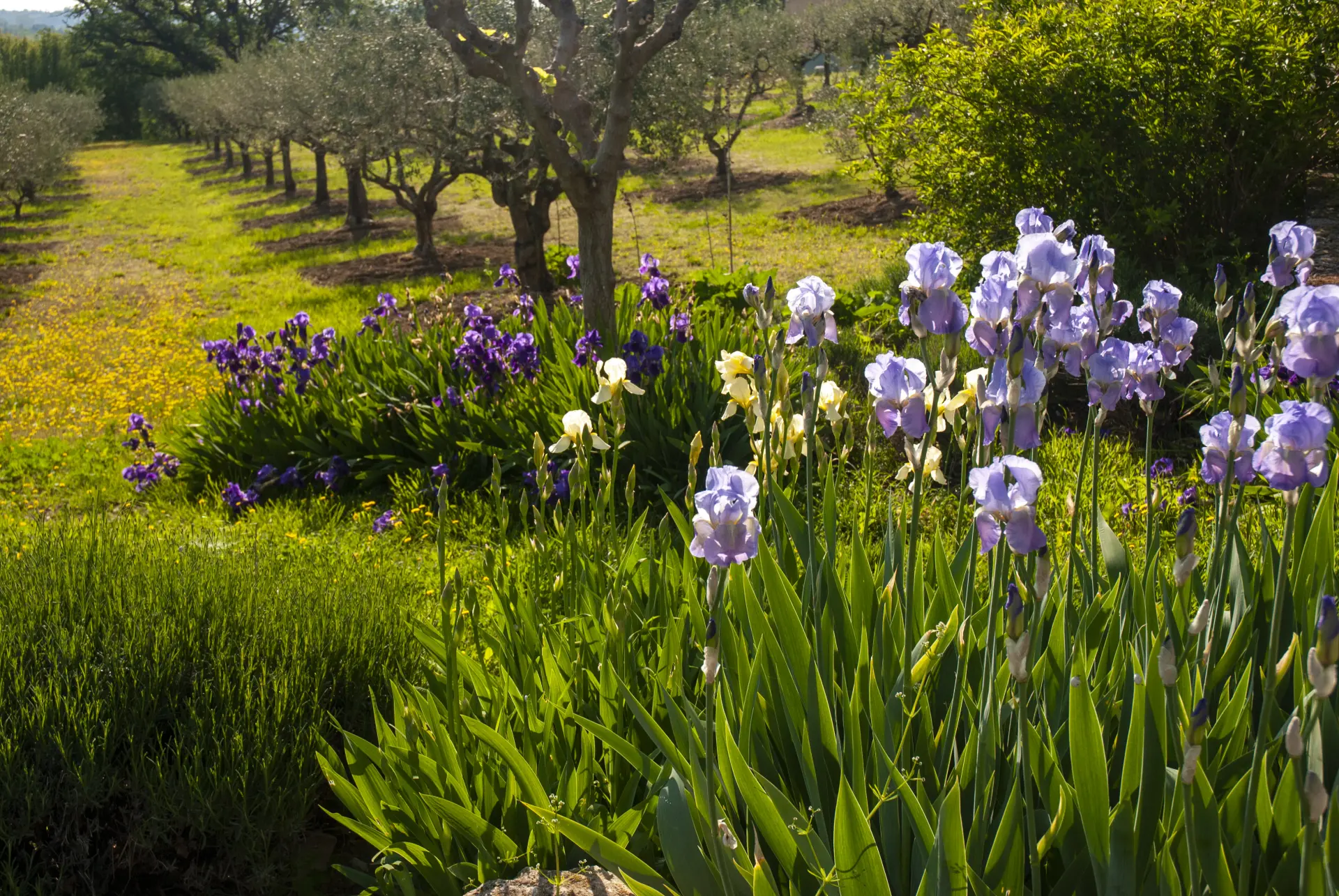
Autumn is the time to plant many spring bulbs, including daffodils, tulips, crocuses, and hyacinths. Planting now gives bulbs time to settle before winter, ready to bring colour back into the garden when spring arrives.
Choose healthy bulbs and plant them in well-drained soil. Make sure containers have drainage holes so they do not become waterlogged during wet weather. You can add a layer of grit or compost to improve drainage and give the bulbs a good start.
Autumn is also a good time to move some plants, divide crowded perennials, and fill gaps in borders. The weather is cooler, but the ground often still holds warmth, which helps roots settle before winter.
Protecting Plants and Containers
The colder months can damage tender plants, young shrubs, and containers. As part of your autumn clearance, move pots to sheltered areas where possible. Place containers near a wall, under cover, or away from strong winds. This helps protect roots from frost and reduces the risk of pots cracking.
Tender plants may need fleece, mulch, or a protective cover. Make sure any cover allows air to move around the plant, as trapped moisture can cause rot. Raise pots slightly off the ground using pot feet or small blocks so extra water can drain away.
Check containers for dead growth, weeds, and old summer bedding plants. Remove anything that is no longer healthy and replace it with winter plants if you want colour through the colder season. Pansies, heathers, and evergreen plants can help keep the garden looking bright.
Cleaning and Storing Garden Tools
Autumn is also a good time to clean and store your garden tools. After a long year of cutting, digging, pruning, and planting, tools can become dirty, blunt, or rusty. Taking care of them now makes gardening easier when spring arrives.
Remove soil from spades, forks, hand tools, and rakes. Dry them well before putting them away, as damp tools can rust. Clean pruning tools carefully, especially if they have been used on diseased plants. Sharpen blades where needed and store tools in a dry shed, garage, or storage box.
Garden furniture, hoses, watering cans, and plant supports should also be checked. Store items that could be damaged by frost, and clear away anything that might blow around in strong winds.
Clearing Drains, Gutters, and Paths
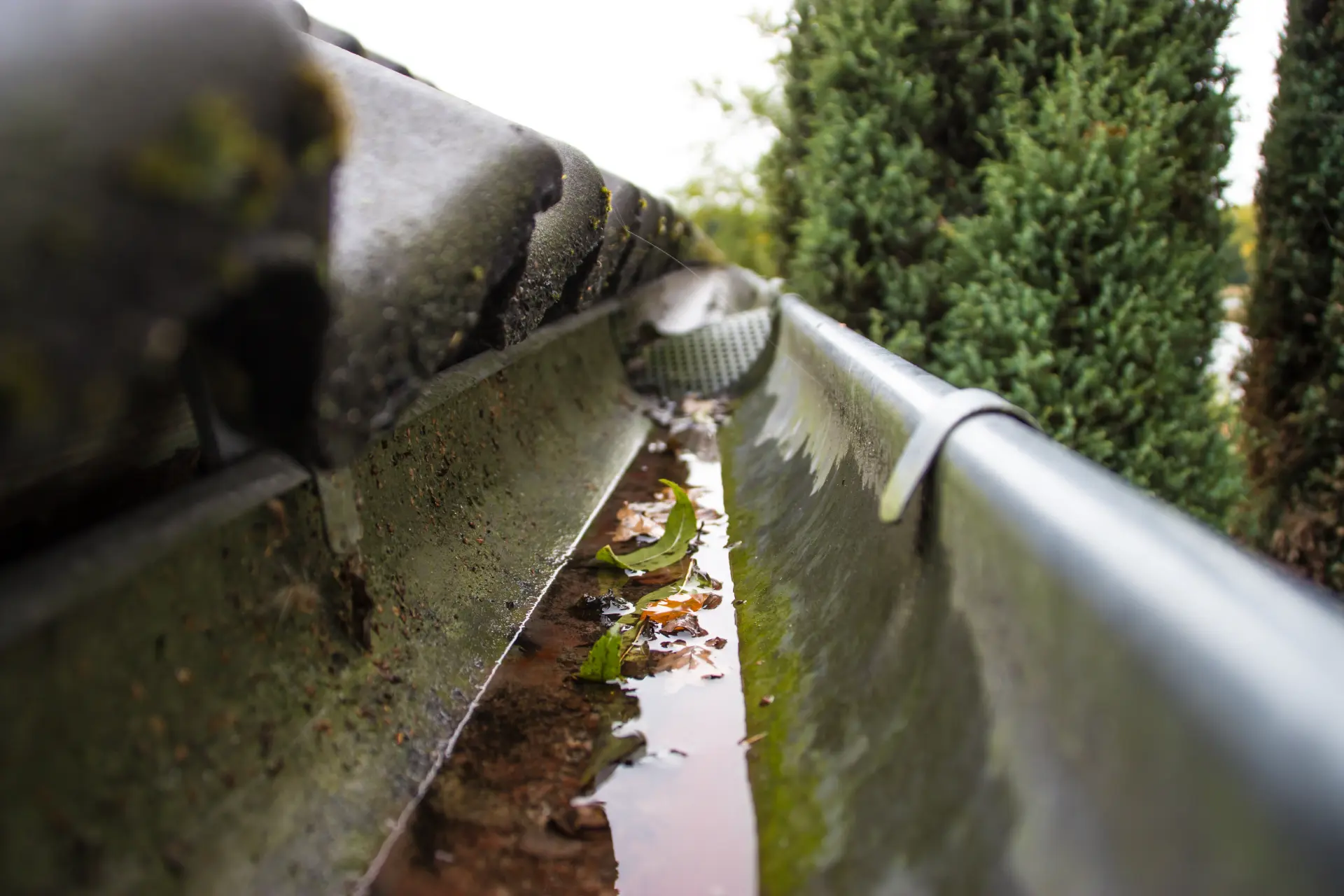
Garden clearance is not only about plants. Drains, gutters, paths, patios, and decking also need attention in autumn. Fallen leaves can block drains and gutters, which may cause water to collect in the wrong places. This can lead to flooding, slippery surfaces, and frost damage.
Clear paths and patios of leaves, moss, and wet debris. This makes the garden safer to use and helps protect outdoor surfaces. If you have decking, keep it clean and free from rotting leaves, as damp build-up can make it slippery.
Make sure water can flow away from the house, shed, greenhouse, and garden buildings. Good drainage helps protect your outdoor space during heavy rain and winter weather.
Making Compost and Leaf Mould
Autumn produces a large amount of garden waste, but much of it can be reused. Leaves, soft plant growth, grass cuttings, and small prunings can be added to compost when they are healthy and free from disease. Compost is one of the easiest ways to improve soil and support future plant growth.
Leaf mould is especially useful for gardens. It is made mainly from fallen leaves and breaks down slowly into a crumbly material. You can make it in a leaf mould bin, a compost bay, or even a strong sack with air holes. Keep it slightly damp, then leave it to break down over time.
Avoid adding weeds with seed heads, diseased plant material, or large woody branches unless you know your compost system can deal with them properly. Sorting garden waste at the start makes the process cleaner and more useful later.
Final Autumn Garden Clearance Tips
Autumn garden clearance is about making the garden clean, safe, and ready for winter without removing everything that supports wildlife. Clear leaves from lawns and paths, prune damaged growth, remove weeds, protect plants, and improve the soil where needed.
This is also the right time to plant spring bulbs, tidy containers, clean tools, and prepare beds and borders for the year ahead. By dealing with these things before the worst winter weather arrives, you can protect your garden and make it easier to enjoy when spring returns.
A well-planned autumn clearance gives your outdoor space a fresh start. It keeps the garden healthier through the colder months, reduces problems with pests and disease, and helps ensure strong growth, better colour, and easier care in the next season.
House Clearance Hertfordshire offer garden clearance in Royston, Cambridge & Hertfordshire. We can clear gardens fast, safely, and sustainably and transform your overgrown spaces into tidy, usable areas.