Planning a Clearance Around Business Activities
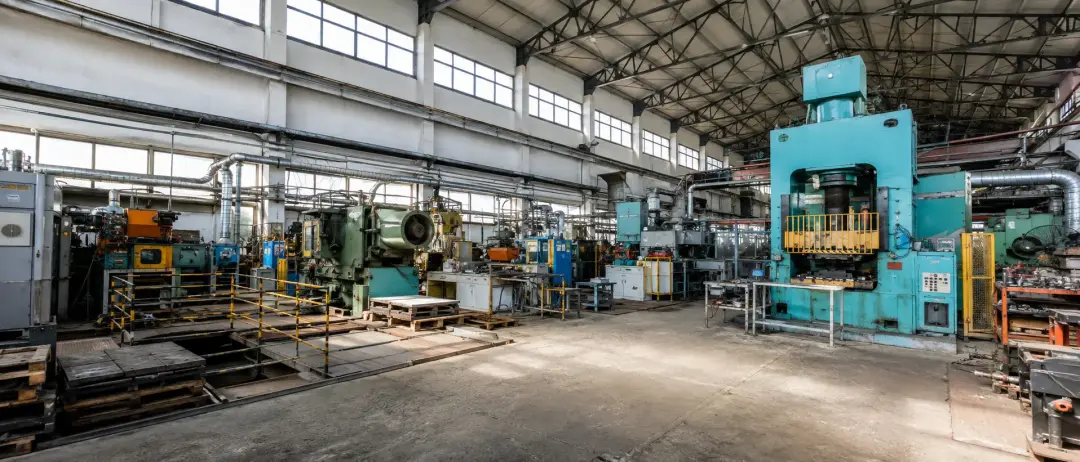
Planning is essential when clearance work needs to take place around normal business activities. The clearance company and site manager should agree which areas are being cleared, when work will take place and which routes must remain open. Production schedules, deliveries, employee movements and vehicle access should all be considered before work begins.
Certain sections may be unavailable during busy periods and easier to clear at quieter times. The plan should also identify waste collection points, loading areas and temporary storage locations. This prevents removed items from blocking active workspaces or important access routes.
Employees and contractors should be informed about restricted areas and any temporary changes to normal movement around the site. A clear programme helps both the clearance team and business understand what will happen each day. This reduces confusion, prevents unnecessary disruption and allows the premises to continue operating while clearance work progresses in a controlled and organised way.
Clearing One Area at a Time
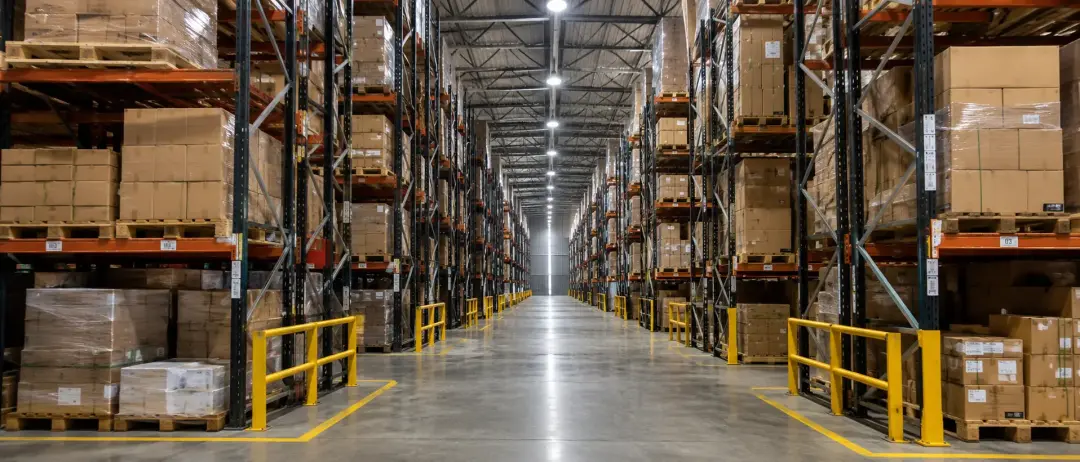
Clearing one area at a time is often one of the most practical ways to manage an operational factory or warehouse. Instead of affecting the whole premises, the clearance team concentrates on a defined section while surrounding areas remain available for normal work. This approach is particularly useful in warehouses divided into aisles, storage zones, production sections or separate rooms.
The first area can be isolated before clearance begins, helping workers understand exactly where the temporary restrictions apply. Stock, machinery or equipment that must remain should be clearly identified before anything is removed. The team can then clear unwanted materials, furniture, shelving or waste before carrying out a final check.
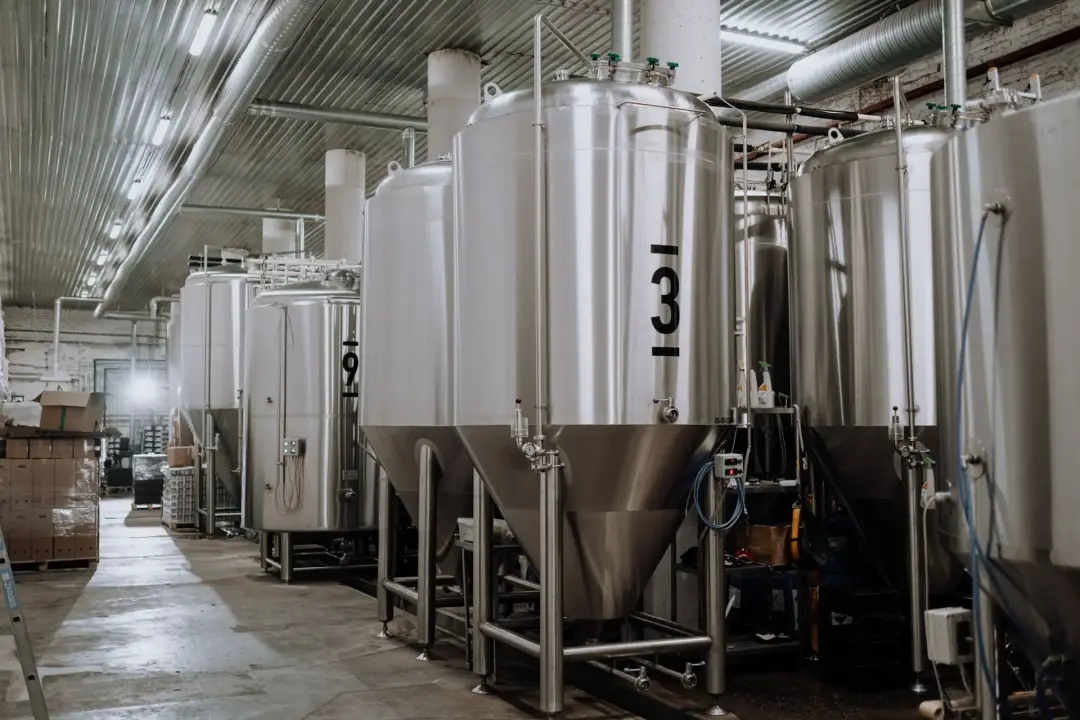
Once the section has been completed, it can be handed back to the business and another area can be prepared. This creates steady progress through the building without requiring widespread shutdowns.
A phased approach can also make waste handling easier. Materials can be removed gradually rather than allowing large quantities to accumulate at once.
Clear communication is important as responsibility for each area changes between the business and clearance team. Marking completed sections and maintaining an agreed schedule helps prevent employees entering areas that are still being cleared.
Keeping Production Areas Accessible
Production areas often need to remain accessible while nearby clearance work is completed. The clearance plan should therefore protect the routes used by employees, materials, forklifts and other equipment so manufacturing can continue without unnecessary interruption. Clearance teams should avoid storing waste, tools or removed items in production walkways. Any temporary obstruction should be agreed beforehand and clearly marked.
If machinery requires regular access for maintenance or material supply, the surrounding space should remain available. Clearance activity may need to pause while important production movements take place. Barriers can help separate clearance zones from active areas without blocking essential operations.
Employees should also know which routes remain available throughout the work. Maintaining access requires ongoing communication because production requirements can change during the day. A well-organised clearance team can adjust its work accordingly. Keeping production areas accessible helps the business maintain output while reducing conflict between clearance activity and normal site operations.
Maintaining Safe Access Routes
Safe access routes are essential when a factory or warehouse remains operational during clearance work. Employees, contractors, visitors and clearance workers may all need to move through the building at the same time, so routes should remain clearly marked and free from unnecessary obstructions.
Pedestrian walkways should be kept separate from forklifts and other vehicles wherever practical. Clearance items must not be left where they narrow a route or force people into active traffic areas. Temporary changes should be planned before work begins. If one aisle needs to close, an alternative route should be identified and communicated clearly to everyone affected.
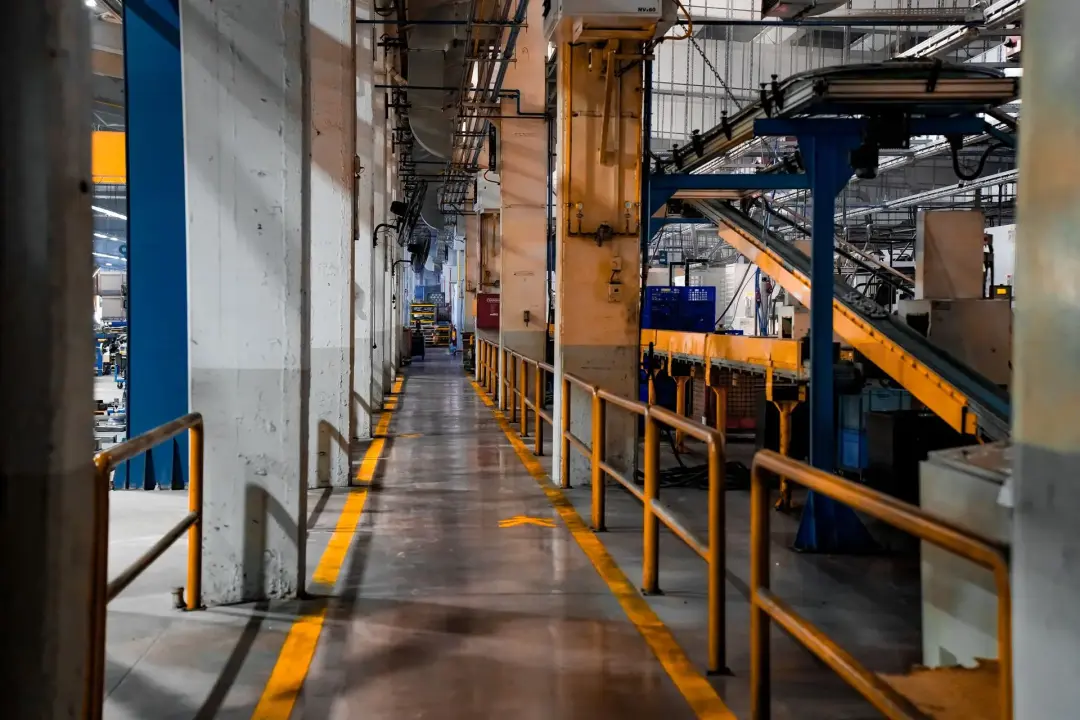
Signs, barriers or floor markings can help direct people safely around the work. Emergency access must always remain a priority, and fire exits or escape routes should never be blocked by waste, tools or clearance vehicles.
The team should also consider how bulky items will be moved through the building. Large furniture, machinery or racking components may temporarily occupy more space than normal.
Regular checks help ensure routes remain safe as the clearance progresses. Conditions can change quickly as items are moved, so access arrangements should be reviewed throughout the project.
Working Around Employees and Contractors
Clearance teams may need to work around employees, maintenance staff, delivery drivers and other contractors. Good communication helps prevent different groups from entering the same area unexpectedly.
The site manager should explain where clearance work is taking place and which sections are temporarily restricted. Staff may need to use alternative routes or avoid particular areas for short periods.
Clearance workers should also understand normal site routines, including shift changes, deliveries and production movements. This helps them avoid transporting bulky items through busy areas. Where work creates additional risk, barriers and controlled access may be required.
Employees should not enter a clearance zone simply because it is normally part of their workplace. Regular coordination between supervisors helps resolve changes quickly. If another contractor suddenly needs access, the clearance team can adjust safely. Clear responsibilities and good communication allow several activities to continue without unnecessary conflict, delays or confusion.
Scheduling Clearance Work During Quieter Periods
Scheduling clearance work during quieter periods can reduce disruption and make it easier to move waste, machinery and bulky items safely. Many factories and warehouses have predictable changes in activity throughout the day or week.
Production may slow between shifts, deliveries may be concentrated in the morning or certain areas may be less busy on particular days. The clearance programme can be organised around these patterns. Heavy removals may be completed when fewer employees are present, while lighter sorting and preparation work can take place during normal operating hours.

Quieter periods are particularly useful for moving items through shared corridors, loading bays and vehicle routes. Fewer people and vehicles can reduce congestion and make lifting operations easier to control.
The business should provide accurate information about busy and quiet times before the clearance starts. The team can then schedule specific tasks accordingly.
Some operations cannot be predicted perfectly, so flexibility is still important. An unexpected delivery or production issue may require work to move temporarily.
Using quieter periods effectively can help the clearance progress faster while reducing interruption to normal activities and limiting the need for complete shutdowns.
Removing Waste Without Disrupting Operations
Waste removal should be organised so it does not interfere with employees, production lines or deliveries. Designated collection points can help keep loose material away from active work areas and important routes. Waste may be moved in smaller loads instead of allowing large quantities to build up. This keeps clearance areas tidier and reduces the chance of walkways becoming blocked.
Collection vehicles should be scheduled around deliveries and busy loading periods. Where possible, waste vehicles can use a separate entrance or agreed loading position. Different materials should be separated where required for recycling, reuse or disposal. Clearly marked containers can make this easier to manage.
The clearance team should also avoid moving dusty or dirty waste through sensitive production areas where possible. Organised waste removal allows the site to remain functional while unwanted materials leave the premises steadily. This reduces congestion and helps the wider clearance project progress without unnecessary operational disruption.
Clearing Storage Areas While Stock Remains On Site
Storage areas can often be cleared while stock remains elsewhere on the premises, provided retained products are clearly separated from items being removed. This may involve clearing one aisle, bay, room or storage section at a time.
Before work begins, the business should identify which stock must remain and which items are redundant. Labels, floor markings or inventories can help reduce the chance of mistakes. Clearance workers should not move retained stock unless this has been agreed. If access to shelving requires temporary relocation, the new position should be recorded so products can be found easily afterwards.
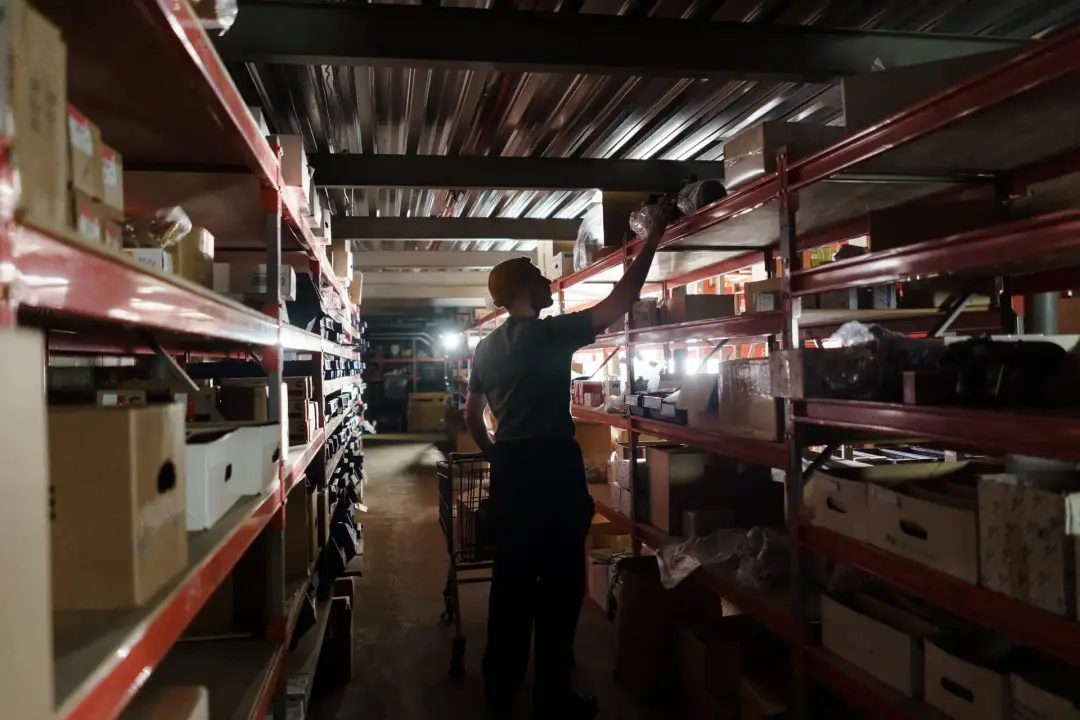
Dust and debris should also be controlled around packaged goods or sensitive materials. Protective coverings may be useful where dismantling shelving or clearing old stock creates additional dirt.
Access for picking, restocking and inventory checks may still need to continue. The clearance plan should therefore protect key aisles and routes.
Large storage areas can be divided into phases so completed sections become available before the next area is started.
Careful separation and communication allow unwanted items to be removed without affecting the organisation or security of stock that remains on site.
Removing Shelving and Racking Safely
Shelving and racking should be dismantled carefully, especially where nearby storage remains in use. The clearance team must first confirm that the structure is empty and no longer required by the business. Components should be removed in a controlled sequence so the remaining framework stays stable.
Heavy beams, shelves and uprights may require mechanical handling equipment. Access around the dismantling area should be restricted because shifting components can create hazards. Nearby employees should not pass through the work zone while dismantling is taking place.
Bolts, fixings and sharp metal parts should be collected promptly instead of being left on the floor. Where only part of a racking system is being removed, the remaining structure may need additional assessment.
Professional dismantling reduces the risk of damage to floors, stock and surrounding equipment. It also allows active sections of the warehouse to continue operating while redundant shelving or racking is removed safely.
Machinery and Equipment Removal During Operation
Machinery and equipment can sometimes be removed while the wider site remains operational, but this type of work usually requires detailed planning. The machine should be disconnected and isolated from electricity, fuel, compressed air, water or other services before dismantling or movement begins.
The clearance team needs accurate information about the equipment's dimensions, weight and suitable lifting points. Forklifts, pallet trucks, machinery skates, cranes or other specialist lifting equipment may be required. Routes between the machinery and exit should be checked beforehand. Door widths, floor capacity, overhead services and active production areas can all affect the chosen removal method.
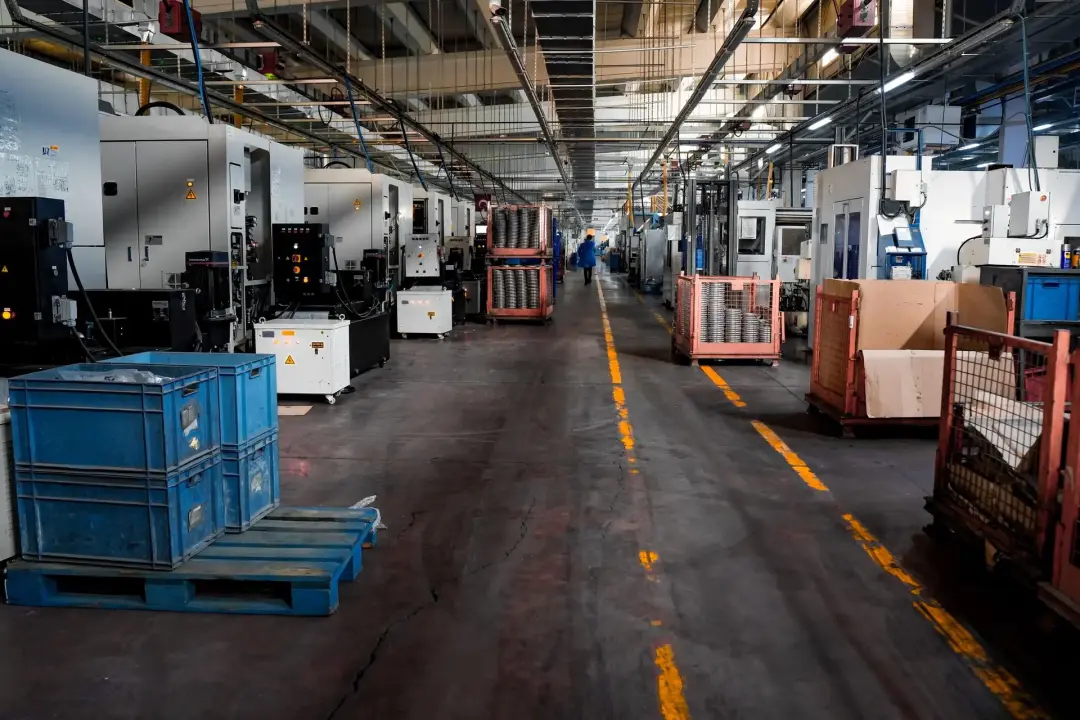
The surrounding area should be isolated while lifting or dismantling takes place. Employees who are not involved should remain outside the controlled zone.
Some machinery may need to be broken down into smaller sections before it can leave the building. Oils, batteries and other materials may require separate handling.
Where nearby equipment must remain operational, dust, vibration and accidental contact should also be considered.
A planned machinery removal allows unrelated parts of the business to continue working while equipment is safely disconnected, moved and prepared for reuse, recycling, sale or disposal.
Clearing Offices Within Factory and Warehouse Buildings
Factories and warehouses often contain offices, meeting rooms, staff spaces and administration areas that can be cleared separately from production sections. This can reduce disruption because office clearance usually involves lighter items.
Desks, chairs, cabinets, shelving and electronic equipment can be removed while the main warehouse remains operational. Staff may temporarily relocate to another room if necessary. Documents and data-bearing equipment should be identified before removal. Confidential material may require secure destruction or controlled handling.
Routes between offices and loading areas should be planned so furniture does not obstruct active workspaces. Clearance workers should also protect walls, doors and flooring while moving bulky office furniture through finished areas.
Separating office clearance from industrial work can make the overall project easier to manage. It also allows administrative areas to be refurbished or reused while manufacturing, storage and distribution activities continue elsewhere in the building.
Managing Loading Bays During Clearance Work
Loading bays are often among the busiest areas in factories and warehouses, so clearance work needs careful coordination when these spaces are also used for normal deliveries and collections. Waste removal vehicles should not arrive without an agreed time because they may block access for suppliers or outgoing goods.
The site manager and clearance team should establish when each bay is available. Some businesses may allocate one loading bay specifically to the clearance project while keeping others in normal use. This can reduce conflict between waste removal and everyday deliveries.
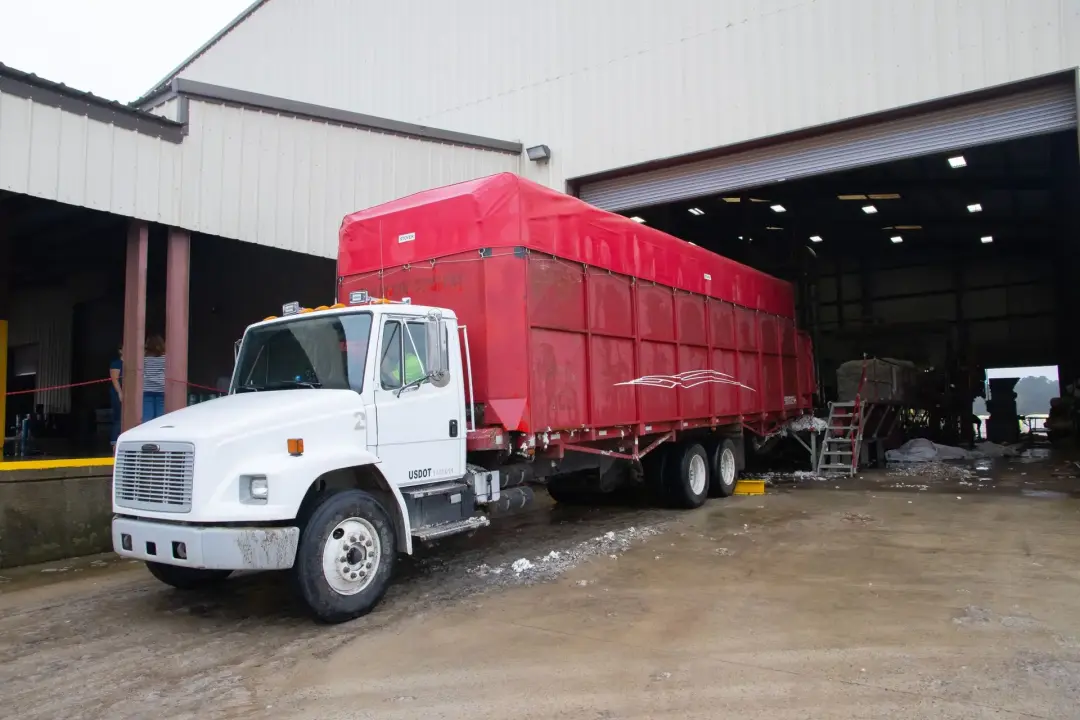
Temporary storage of cleared materials should not spread into vehicle routes or pedestrian areas. Items awaiting collection should remain inside a clearly defined section.
Large objects may require forklifts or lifting equipment, increasing the space needed during loading. This should be included in the plan before vehicles arrive.
Drivers need clear instructions about where to park and who is responsible for loading. The clearance team should also understand the normal traffic flow around the yard.
Where space is limited, collections may need to be completed in smaller loads or scheduled for quieter periods to prevent unnecessary congestion.
Separating Clearance Areas from Working Areas
Clearance areas should be clearly separated from active workspaces so employees do not accidentally enter zones where dismantling, lifting or waste handling is taking place. Barriers, temporary fencing, tape or signs can define the work area depending on the level of risk. The boundary should be visible and easy to understand.
Tools, waste and dismantled items should remain inside the clearance zone rather than spreading into normal walkways or production areas. Where the boundary changes during the project, employees should be informed before the new arrangement takes effect.
Separate areas also make it easier for clearance workers to organise tools and materials without interference from normal operations. The level of separation should reflect the task. Light furniture removal may need simple controls, while machinery dismantling or racking removal may require a secure exclusion zone. Clear boundaries help support safer working while reducing disruption across the rest of the operational site.
Using Barriers and Warning Signs
Barriers and warning signs help control movement around clearance work and inform employees, contractors and visitors about temporary risks. They are particularly useful where normal operations continue close to dismantling, heavy lifting or waste handling.
The type of barrier should match the activity. Lightweight signs may be suitable for low-risk sorting, while physical barriers or temporary fencing may be needed around machinery removal and racking dismantling. Signs should be clear and positioned where people have enough time to change direction. They should not be hidden behind stock, vehicles or doors.
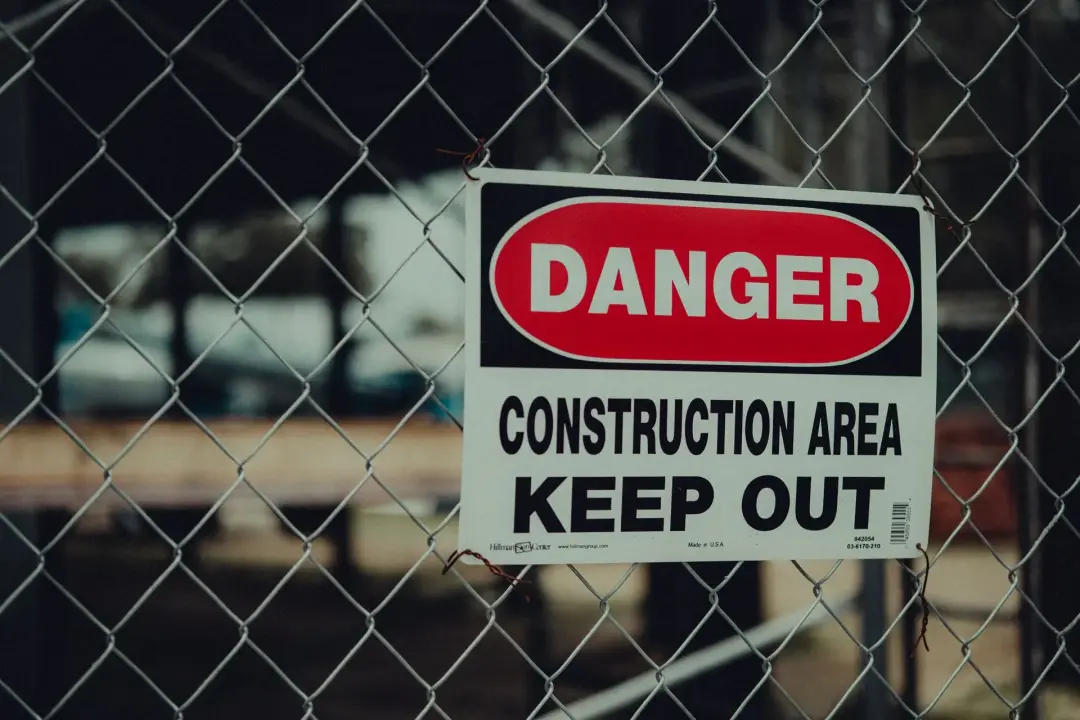
Barriers must not block fire exits or introduce additional trip hazards. Emergency access should remain available throughout the clearance.
If the working area moves through the building, signs and barriers should move with it. Old warnings should be removed once they are no longer relevant.
Site managers should also explain restrictions to employees so everyone understands why an area is closed.
Combining physical controls with clear communication helps prevent unauthorised access and maintains separation between operational areas and active clearance work.
Reducing Dust, Noise and Other Disruption
Clearance work can create dust, noise and vibration, particularly when shelving, machinery or fixtures are being dismantled. These effects should be controlled so they do not interfere unnecessarily with normal operations. Dust-producing work can be separated from stock, offices and production areas using temporary screens, doors or other suitable controls.
Vacuum equipment may also help reduce airborne dust. Noisy tasks can be scheduled during quieter periods, staff breaks or times when nearby employees are not working. Heavy dismantling should consider vibration as well, especially near sensitive equipment or finished surfaces.
Waste should be moved carefully rather than thrown or dropped, which can reduce both noise and accidental damage. The business should identify any particularly sensitive areas before work begins. Computer rooms, specialist production spaces or customer areas may need additional protection. Managing disruption allows employees to continue working more comfortably while helping protect stock, machinery and surrounding areas from unnecessary dust or debris.
Maintaining Fire Exits and Emergency Routes
Fire exits and emergency routes must remain available throughout a factory or warehouse clearance. Waste, removed furniture, tools and vehicles should never be stored where they block escape routes or prevent emergency doors from opening fully. The clearance plan should identify all emergency routes before work starts. If a normal route is affected, any changes should be agreed through the site's normal safety procedures. Clearance workers should understand that emergency access takes priority over convenient storage. Even a temporary obstruction can create serious problems if an evacuation is required.
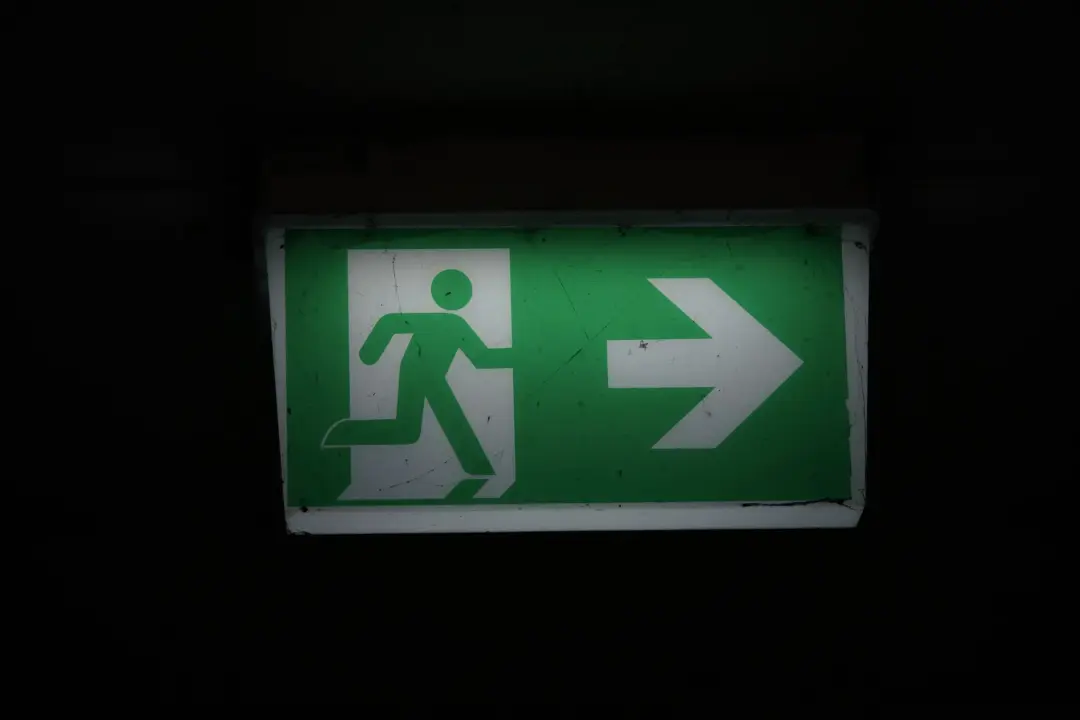
Exit signs, alarms and fire equipment should also remain visible and accessible. Materials should not be stacked in front of extinguishers, alarm points or control panels.
Where dismantling changes the layout, the site manager should consider whether existing escape routes remain clear and easy to follow. Vehicles collecting waste should not block external emergency access or assembly points.
Regular checks are important because clearance conditions change throughout the day. A route that was clear earlier may become blocked later if materials are not controlled. Maintaining emergency access protects employees, contractors and clearance workers throughout the project.
Handling Heavy and Bulky Items Safely
Heavy and bulky items require suitable equipment and planning before they are moved. Machinery, cabinets, racking components and large furniture may be too heavy or awkward for safe manual handling. The clearance team should assess the weight, shape and planned route before lifting begins.
Mechanical aids such as pallet trucks, forklifts, lifting straps or machinery skates may be required. Routes should be cleared in advance so workers do not need to stop while carrying or moving a heavy item.
Large objects can also block visibility, so additional workers may be needed to guide movement through doorways or shared areas. Employees who are not involved in the lift should remain outside the movement zone. Items may need to be dismantled into smaller sections before removal. This can reduce weight and make access easier. Safe handling protects workers, stock, machinery and the building itself from avoidable injury or impact damage.
Managing Waste and Recycling During the Clearance
Factories and warehouses can generate large quantities of mixed waste during clearance projects. Materials may include metal, timber, cardboard, plastics, electrical equipment, office furniture and general rubbish. Separating these materials can improve recycling and reduce unnecessary disposal.
The clearance company should identify suitable waste streams before work begins and provide designated containers or storage areas where appropriate.
Some items may be reusable rather than waste. Furniture, shelving, machinery or equipment in suitable condition may be sold, donated, transferred elsewhere or retained for another purpose.
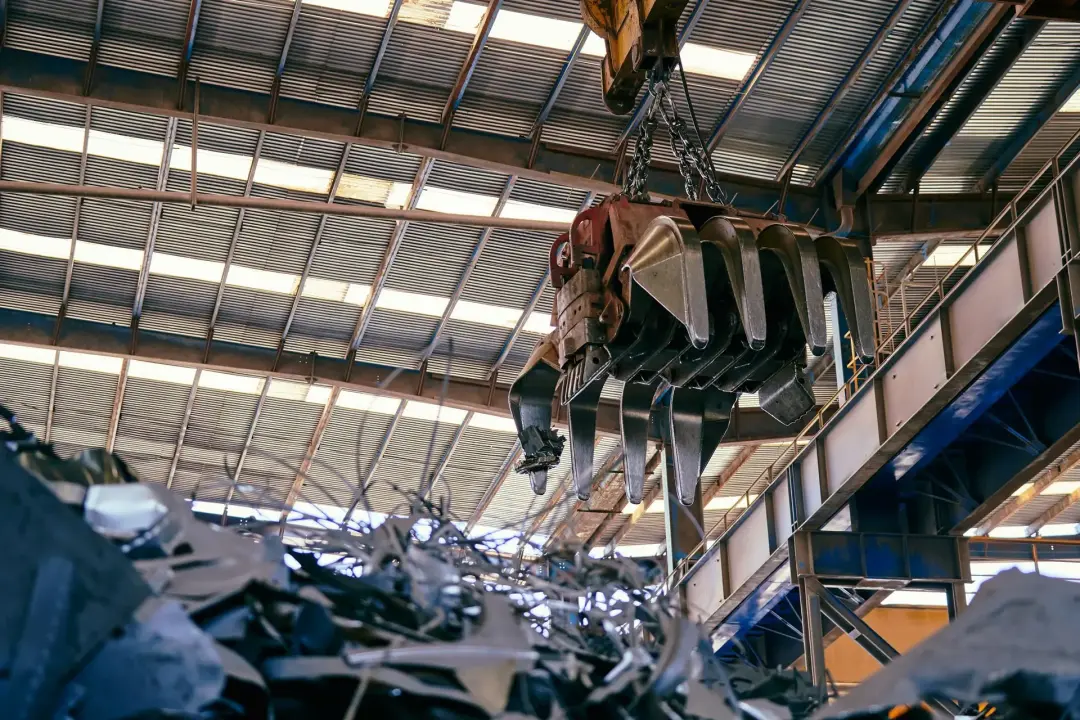
Waste should not accumulate inside active working areas. Regular collections help keep the site organised and prevent cleared materials from obstructing access.
Electrical equipment, batteries, oils and other specialist materials may require separate handling. They should not simply be mixed with general waste.
Records may also be needed depending on the material and disposal route. A professional clearance provider should use appropriate waste services.
Planning waste management from the beginning can reduce delays and prevent the team from repeatedly sorting mixed materials later. A structured approach helps the business remove unwanted items responsibly while keeping the operational site cleaner, safer and easier to work around.
Do you require factory and warehouse clearance in Cambridge, Royston and Hertfordshire? Our rubbish collectors have many years of experience and will complete the job, ensuring your factory and warehouses are left in a clean and tidy state to achieve happy clients and customers.