
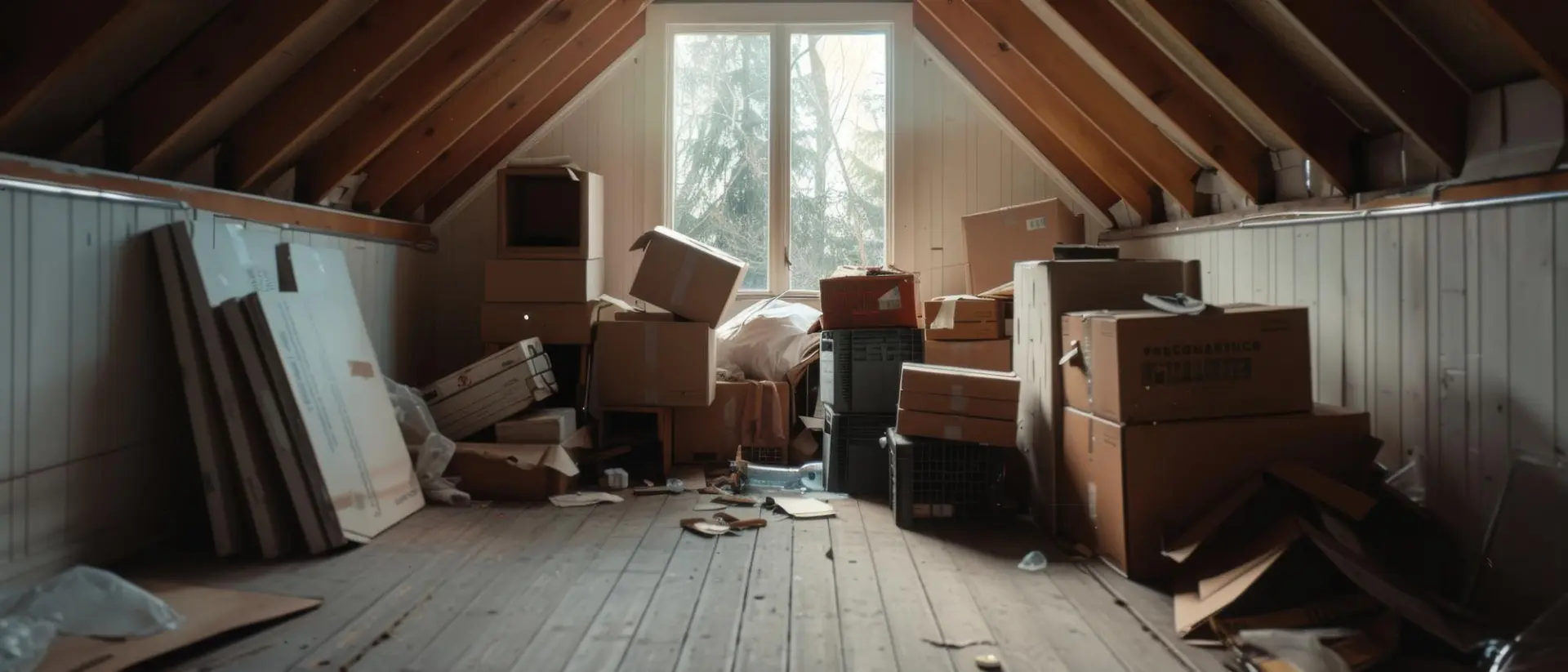
Use our checklist for probate house clearances to streamline the process, safeguard important documents, and handle belongings with care and confidence.
What Is a Probate House Clearance?
A probate house clearance is the process of clearing a property after someone has passed away, usually as part of managing their estate. This often happens once legal permission has been given to handle the person’s belongings, property, and finances. The aim is to sort, remove, and organise everything within the home so it can be sold, transferred, or handed over.
This type of clearance is different from a standard house clearance. It often involves personal items, important documents, and belongings that may hold emotional value for family members. Because of this, the process needs to be handled with care and attention.
Probate clearances can include everything from sorting paperwork and identifying valuables to removing furniture and clearing out storage areas. It may also involve working with family members and executors to make decisions about what should happen to each item. Understanding what a probate clearance involves is the first step in managing it in a calm and organised way.
Why a Checklist Can Help
A checklist can be very helpful when dealing with a probate house clearance. There are often many tasks to complete, and it can be easy to forget important steps without a clear plan. A checklist helps keep everything organised and ensures nothing is missed.
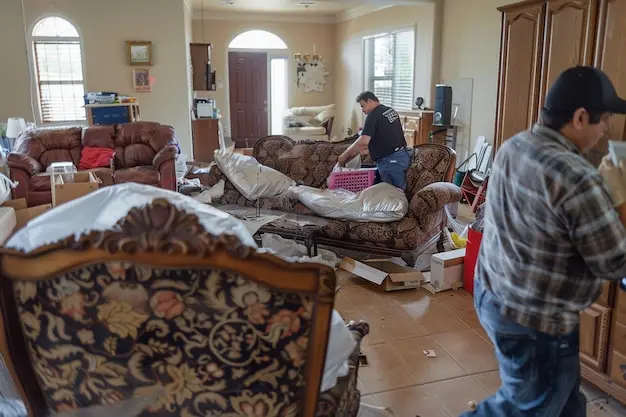
It also makes the process feel more manageable. Breaking the work down into smaller tasks allows you to focus on one step at a time rather than feeling overwhelmed. This can be especially useful during an emotional period when decision making may feel more difficult.
A checklist also helps improve communication between everyone involved. Executors, family members, and any professionals can all follow the same plan, which reduces confusion. It can also help track progress and show what has already been completed.
By using a checklist, the clearance process becomes more structured and easier to control. It provides a clear path from start to finish, helping ensure that everything is handled properly and in the right order.
Confirming Legal Authority Before You Begin
Before starting a probate house clearance, it is important to confirm that you have the legal authority to do so. This usually means checking that probate has been granted or that the executor has the right to manage the estate. Without this, removing items or making decisions about belongings may not be allowed.
The executor is responsible for overseeing the process, so their approval should be clear before any work begins. If you are helping with the clearance, it is important to understand who has the final say on decisions. This helps avoid confusion and ensures everything is handled correctly.
Taking time to confirm legal authority also protects everyone involved. It helps prevent disputes between family members and ensures that the estate is managed in line with legal requirements.
Starting the clearance without proper permission can cause delays and complications later. By checking everything in advance, you can move forward with confidence and ensure the process runs smoothly from the beginning.
Gathering Important Documents
Gathering important documents is a key step in any probate house clearance. These documents are often needed to manage the estate and complete legal processes. They may include the will, bank statements, property records, insurance papers, and identification documents.

Documents are not always stored in one place. They may be found in drawers, cupboards, filing boxes, or even hidden among personal belongings. Taking time to search carefully helps ensure nothing important is missed.
Once found, documents should be kept safe and organised. Using folders or labelled envelopes can help keep everything in order. It is also helpful to inform the executor or relevant family members about what has been found.
Keeping documents secure is very important. Losing or misplacing them can cause delays and make the probate process more difficult. A careful and organised approach ensures that all necessary paperwork is ready when needed.
Identifying Items to Keep
Identifying items to keep is an important part of the clearance process. Many belongings may have personal or sentimental value, so it is important to take time when making these decisions. Rushing can lead to mistakes or regret later.
Family members should be given the chance to look through items and choose what they would like to keep. This may include photographs, letters, jewellery, or other personal belongings. Even small items can hold strong memories.
It can be helpful to set aside a specific area for items that are being kept. This keeps them separate from other belongings and reduces the risk of them being removed by mistake. Clear labelling can also help keep everything organised. Taking a careful and respectful approach ensures that important items are not overlooked. It also helps families feel more comfortable with the process, knowing that meaningful belongings are being handled properly.
Sorting Belongings Room by Room
Sorting belongings room by room is a practical way to manage a probate clearance. It helps break the task into smaller, more manageable steps. Instead of trying to deal with the whole property at once, you can focus on one area at a time.

Starting with less emotional spaces, such as kitchens or utility rooms, can make it easier to begin. Bedrooms and personal areas can be tackled later when you feel more prepared. This approach helps reduce stress and allows for a steady pace.
As you move through each room, items can be sorted into clear groups. These may include keep, donate, sell, or dispose. Keeping the process organised helps avoid confusion and ensures nothing is missed.
Working room by room also makes it easier to track progress. You can clearly see what has been completed and what still needs to be done. This structured approach helps keep the clearance efficient and manageable.
Checking for Valuables and Sentimental Items
Checking for valuables and sentimental items is an essential step during a probate clearance. Some items may have financial value, while others may hold strong emotional importance. Both should be treated with care and attention.
Valuable items can include jewellery, antiques, collectables, and certain household goods. These should be identified early and set aside safely. It is important not to assume value based on appearance, as some items may be worth more than expected.
Sentimental items, such as photographs, letters, and keepsakes, should also be handled carefully. These are often very important to family members and should not be overlooked. Taking time to check thoroughly helps prevent these items from being lost.
A careful and detailed approach ensures that nothing important is missed. It also provides reassurance that all valuable and meaningful items have been properly identified and protected.
Deciding What to Donate, Sell or Dispose Of
Deciding what to donate, sell, or dispose of is a key part of the clearance process. Once important and sentimental items have been set aside, the remaining belongings can be reviewed more practically.

Items that are still in good condition may be suitable for donation. This can be a positive way to give them a new purpose. Some belongings may also be sold, especially if they have financial value. This can help support the estate.
Items that are damaged or no longer useful will need to be disposed of. It is important to do this responsibly, following local waste guidelines where possible.
Taking time to make these decisions helps ensure everything is handled properly. A clear and organised approach makes it easier to manage the process and reduces the chance of mistakes.
Dealing with Furniture and Larger Items
Furniture and larger items can be more challenging to handle during a probate clearance. These items often take up more space and may require extra planning to remove safely. Beds, wardrobes, sofas, and large appliances are common examples.
Before removing anything, it is important to check whether any of these items should be kept, donated, or sold. Some may have value or be wanted by family members. Others may be suitable for reuse through donation.
Transport and access should also be considered. Larger items may need to be dismantled or moved carefully to avoid damage to the property. In some cases, extra help or equipment may be required.
Planning ahead makes this stage much easier. By dealing with larger items in a structured way, you can keep the clearance process safe, organised, and efficient.
Clearing Loft, Garage and Outdoor Areas
Lofts, garages, and outdoor areas are often overlooked during a probate clearance, but they can contain a large number of items. These spaces may include tools, storage boxes, seasonal items, and unused belongings.
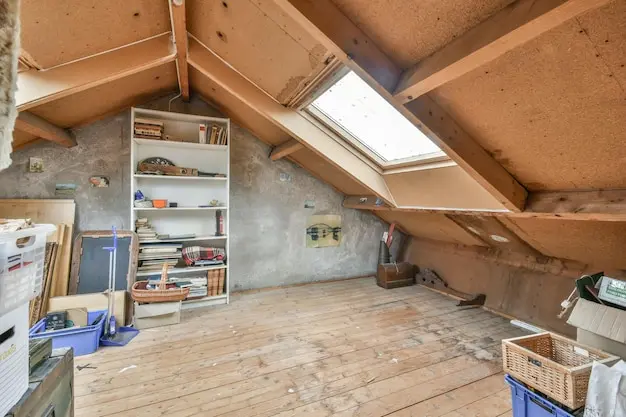
Clearing these areas can take time, especially if they have not been used regularly. It is important to check everything carefully, as valuable or important items may be stored there. Old boxes and containers should be opened and reviewed rather than removed without checking.
Safety is also important when working in these spaces. Lofts may have limited access, and garages can contain heavy or sharp items. Taking care during this stage helps prevent accidents.
By including these areas in the checklist, you ensure the entire property is cleared properly. This helps avoid leaving anything behind and ensures the home is fully prepared for the next stage.
Arranging Responsible Waste Removal
Arranging responsible waste removal is an important part of a probate house clearance. Once items have been sorted, there will often be waste that needs to be removed safely and properly. This may include damaged furniture, general household waste, and items that cannot be reused.
It is important to follow local guidelines when disposing of waste. Some items may need to be taken to specific facilities, especially if they require special handling. This helps reduce environmental impact and ensures everything is dealt with correctly.
Using a licensed waste carrier can provide reassurance that disposal is being handled responsibly. It also saves time and effort, especially when dealing with larger amounts of waste. Taking a careful approach to waste removal helps complete the clearance in a responsible way. It ensures the property is left clean and ready for its next use.
Cleaning the Property After Clearance
Cleaning the property after clearance is an important final step. Once all items have been removed, the home should be left in a tidy and presentable condition. This is especially important if the property is going to be sold or handed over.
Cleaning may include dusting surfaces, vacuuming floors, and wiping down kitchens and bathrooms. It can also involve removing any remaining debris or marks left from moving furniture. A clean property makes a better impression and helps prepare it for the next stage. It also ensures that nothing has been left behind.
Taking time to clean properly helps complete the process to a good standard. It leaves the home ready for viewings, sale, or new occupants.
Preparing the Home for Sale or Handover
Preparing the home for sale or handover is the final stage of the probate clearance process. Once the property has been cleared and cleaned, it should be ready for its next purpose. This may involve selling the home or transferring it to a new owner. It is important to check that everything is in order. This includes making sure all belongings have been removed and that the property is tidy and presentable. Small repairs or touch ups may also be considered if needed.
A well prepared home is more appealing to potential buyers or new occupants. It also helps ensure a smoother transition during the handover process. Taking the time to complete this stage properly helps bring the clearance process to a clear and organised finish.
Working with a Professional Clearance Company
Working with a professional clearance company can make the probate process much easier to manage. These services have experience handling clearances and can help carry out the work in a structured and efficient way.
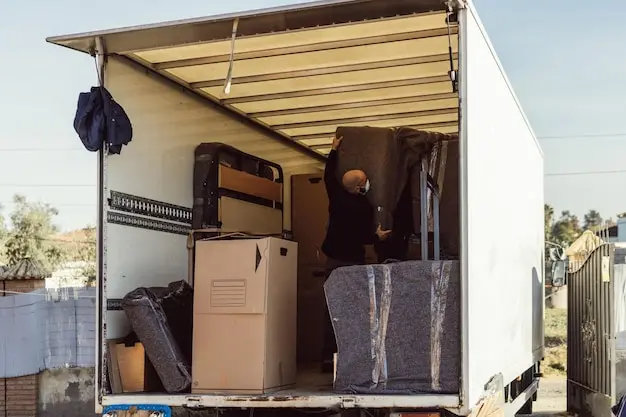
A professional company can assist with sorting, removal, and waste disposal. They often have the tools and knowledge needed to deal with larger items and more complex situations. This can save time and reduce stress for those involved.
Choosing a reliable service is important. Look for a company that communicates clearly, works carefully, and respects the nature of probate clearances. Experience in this area can make a big difference.
By working with the right company, the clearance process becomes more organised and less overwhelming. It allows families to focus on other matters while knowing the property is being handled properly.
Are you looking for bereavement house clearance in Cambridge, Royston, Hertfordshire? Contact us to detail what you would like to be collected and your preferred due date. We'll get back to you with a free no-obligation quote that matches your budget.