
Make A Simple Plan For Each Room
Making a plan for each room is one of the easiest ways to prepare for a house clearance since it can help you stay calm, work faster, and avoid making mistakes. When you look at a full house, it can feel overwhelming, but breaking it down room by room can make the job feel smaller and more manageable.
Start by walking through your property and listing every room, including your loft, garage, shed, and cupboards. Then decide what the goal for each space is. For example, you might want the kitchen to be fully cleared, but you might only want old furniture removed from a spare bedroom. Writing these goals down stops you from changing your mind halfway through the clearance and helps everyone involved understand what should happen.
Planning each room also helps you protect items that you want to keep. You can label a safe “do not remove” area in each room or choose one room to store important items like documents, photos, jewellery, and keys. This reduces the risk of something being thrown away by accident.
Sort Items Into "Keep, Donate, Sell, And Dispose"
Sorting your items into “keep, donate, sell, and dispose” piles is a simple way to prepare for a house clearance. This simple step can turn a stressful task into a manageable one, and it helps you make good decisions without feeling rushed. When everything is mixed together, it's easy to waste time, lose important items, or throw away something you meant to keep.
The “keep” pile is for items that you still need or value. This can include important documents, family photos, keys, medicines, and anything you want in your next home. Setting these items aside early on protects them from becoming damaged, being removed or getting lost.

The “donate” pile is for things that are in good condition that could help someone else, such as clothes, furniture, books, and small household items. Donating these items can help you free up space, reduce landfill and cut down your clearance costs.
The “sell” pile should be for items with value, such as antiques, collectables, quality furniture, tools, or branded electrical items. Selling items you don't use anymore can help you recover some money to put towards your moving costs, storage, or the clearance itself. Even if you don't have time to sell everything, identifying the best items to sell can help you focus on what is worth the effort.
The “dispose” pile is for broken, unsafe, or unusable items. This can include damaged furniture, stained mattresses, expired products, and general rubbish.
Check For Important Paperwork And Valuables
Checking for your important paperwork and valuables is a key step when you're preparing for a house clearance. This step prevents you from losing items that are hard, or even impossible, to replace. When your home is being cleared, things can move quickly - bags get filled, cupboards get emptied, and old boxes get taken away, and if you haven't checked carefully enough, important items can be thrown out by mistake.
Paperwork matters more than most people realise, and passports, birth and marriage certificates, driving licences, and bank details can all be expensive and stressful to replace. You might also need documents linked to your property, such as your mortgage papers, lease details, warranties, service records, and instruction manuals.
Sorting out your paperwork and valuable items also helps you make better decisions about what you need to do next. Once you've gathered up your paperwork, you can store it away safely and decide whether it needs to be kept, shared with family, sold, or placed into storage.
Bag Up Loose Items And Label Boxes
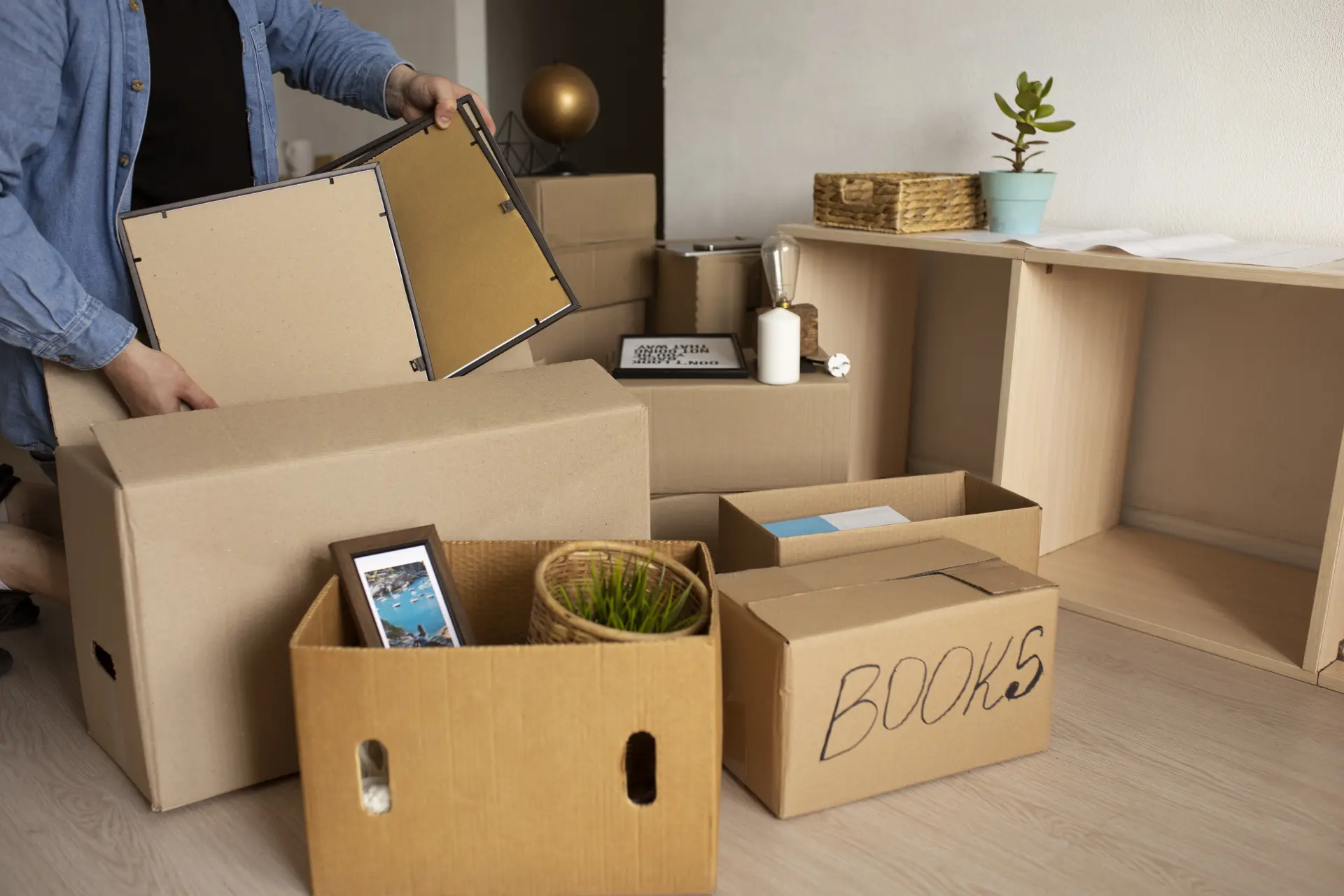
Bagging up loose items and labelling boxes is a simple step that can make your house clearance so much easier. Homes often contain lots of small things, such as toys, cables, toiletries, tools, and kitchen utensils. When these items are left loose, they can get scattered, damaged, or thrown away by accident. Therefore, putting them into labelled bags and boxes helps you keep everything together, and it makes the clearance process feel more organised.

Loose items also slow the clearance down. If you're clearing a room and everything is spread across shelves, drawers, and floors, you end up wasting time by picking up the same things over and over again. Bagging these items into groups can help you work faster and keep your walkways clear.
Labelling is just as important as packing. A box that doesn't have a label becomes a mystery, and mystery boxes often end up in the wrong place. Labelling your boxes clearly can help you remember what's inside and where it came from. Labels also make it easier to sort items into “keep”, “donate”, “sell”, or “dispose” piles.
Additionally, bagging and labelling boxes can help you pick the right disposal method. You can separate your waste into "recycling, general waste and special handling" piles, so that items like batteries and paint are disposed of correctly.
House Clearance Hertfordshire provides reliable house clearance services across the UK. We guarantee to clear your home quickly and carefully. We also provide both full and partial clearances to help you de-clutter your loft, garage or shed, and leave your property looking clean and tidy.