Warehouse clearance paperwork starts with a list of what is leaving, who will carry it and where each load will go. For an industrial clear-out in England, agree the records before the first collection. That gives your site team a way to check each handover while the load is still in front of them.
The three records to agree before collection
Ask the clearance contractor for the details of the carrier, the proposed receiving site and a sample of the document you’ll sign on collection day. For a non-hazardous waste transfer, this will usually be a waste transfer note. A different document, such as an invoice, can serve the same purpose if it contains the required information. Hazardous waste generally moves under a consignment note.
Decide who will check and sign for your business, especially if collections span several shifts. A supervisor who knows which materials are being removed is better placed to query a generic description than someone asked to approve a bundle of paperwork at the end of the week.
Give the contractor an inventory they can quote against
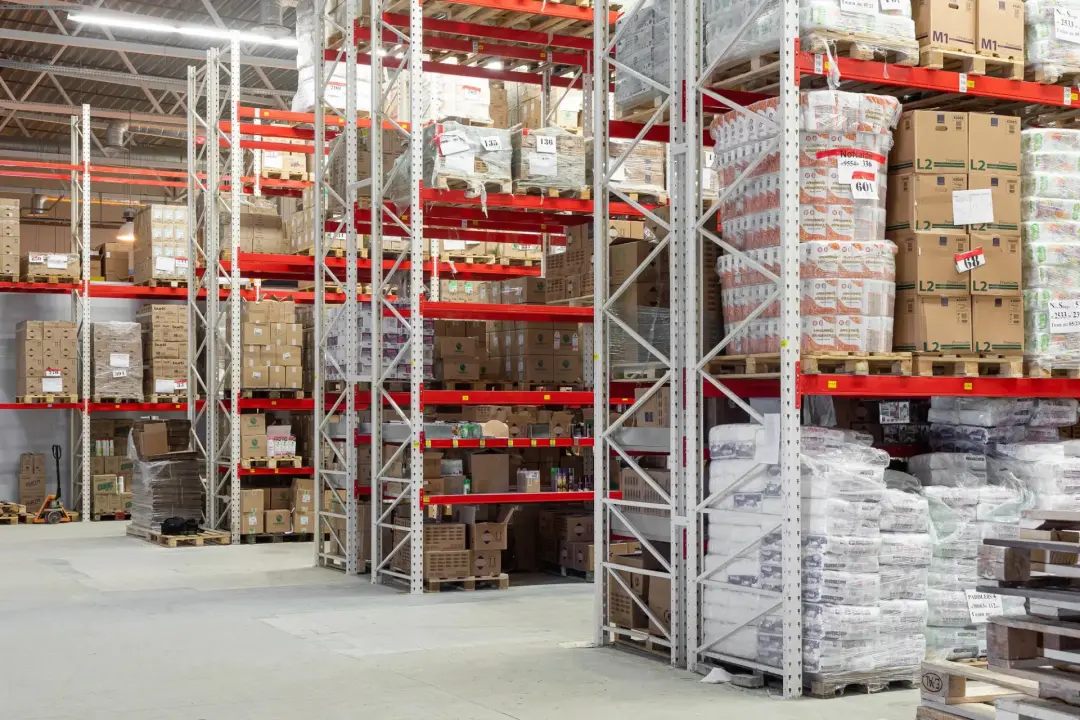
List what is leaving by location and material. An example warehouse list might show 24 empty timber pallets, two damaged metal workbenches and a separate area holding obsolete electrical equipment. Give a count or a clearly labelled estimate and identify anything you are keeping. Where the contents are uncertain, describe what you know and ask who will classify them.
Set aside anything with signs of leakage or unclear labels and raise it before the visit. A contractor who has priced wood, packaging and scrap metal may need to arrange a different collection if the same job includes residues or chemicals. Defra estimates that England’s commercial and industrial sectors produced about 32 million tonnes of waste in 2024. That figure covers many different materials, which is exactly why a description such as ‘commercial waste’ tells the receiving site very little.
Check the carrier and the receiving site
Check the name and registration of the business that will actually carry the waste. If the clearance company uses a subcontractor, get that carrier’s name before the vehicle arrives. Ask where the waste will go and check that the receiving site is authorised to accept the particular types of waste listed. Find out who will tell you if the destination changes.
Keep a copy of the checks with the quote. On a multi-unit estate, identify the unit and collection point on your own records. A note that only names the estate is harder to reconcile if several tenants use the same loading yard.
What to check on collection day
Compare the load with the written description before signing. Check the waste description and classification code, amount, date and place of transfer, and the details of both parties. If you agreed three collections and the first vehicle is carrying only metal, record what that vehicle takes. Use a collection reference to tie the note back to your site inventory.
A recurring collection of the same type of non-hazardous waste by the same carrier may be covered by a season ticket. Ask whether it actually covers your site and materials, and keep a record of the individual collections and quantities. A one-off clear-out can include materials that fall outside a ticket used for your normal weekly collections.
Where a hazardous load changes the plan
Ask how the contractor will deal with identified hazardous waste before it joins another load. The consignment process is about following that waste from the producer through the carrier to the receiver. Check that the material and the collection details agree with the consignment note, and ask who will provide the receiver’s evidence.
For an industrial job split across days, give hazardous collections their own line in your handover list. Record what was collected and put the consignment reference beside it. Keep unresolved items visible on the list so a later team can see what still needs a specialist decision.
A worked example for a two-day clear-out
Suppose a warehouse in Cambridge is handing back its unit on Friday. On Wednesday, the contractor collects sorted pallets and damaged workbenches. On Thursday, a second carrier collects the electrical equipment. The site supervisor gives each collection its own reference and checks that the paperwork identifies the relevant materials and the actual carrier. The supervisor has already asked where each load will go, so a change of destination gets checked before the vehicle leaves.
If the same business has old supplies at a second unit in Royston, it records that address separately. The job folder then shows which waste came from which unit and what the supervisor still needs to chase. A photograph of an empty bay can help with the lease handover, but the collection records are what explain where the material went.
Close the job with a file you can retrieve
Keep non-hazardous transfer records for two years and hazardous consignment notes for three years under the England duty of care guidance. Put them in a shared job folder with the quote, inventory and any weighbridge or receipt evidence you’ve agreed to collect. Use the site name, date and load number in the filenames. Keep photographs as a record of the site condition at handover.
From 1 October 2026, operators in England and Wales who receive waste and fall within the digital waste tracking requirements must report those receipts using the government service. Ask the receiving operator which reference or evidence they can share. Keep your own transfer or consignment records alongside any reference they provide.
Your paperwork at a glance
Before booking, give the contractor a material-by-material list and agree how each load will be recorded. At handover, check the load against its paperwork. File the notes and any agreed receipt evidence together so a colleague can find them after the site is empty.