
Why Factory and Warehouse Clearances Are Needed
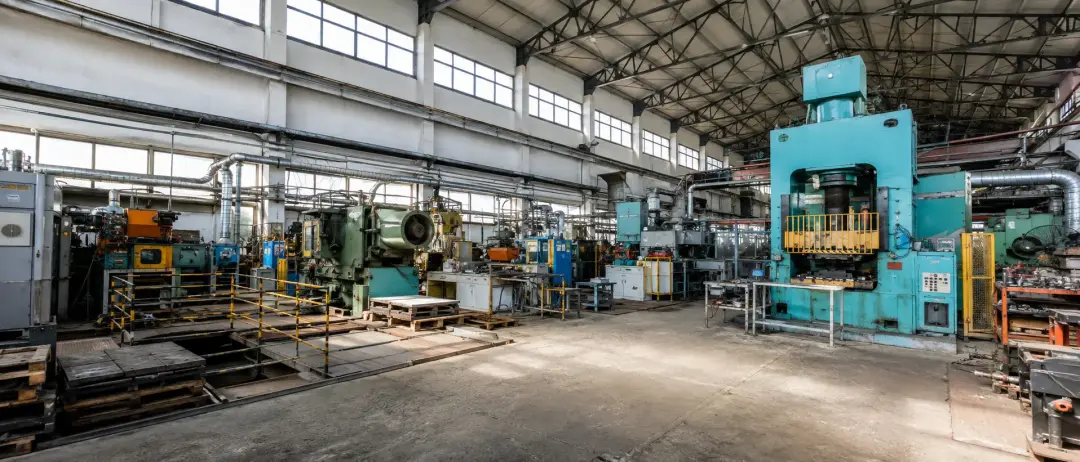
Factory and warehouse clearances are needed when unwanted materials begin taking up valuable space or when a property must be prepared for a change in use. Businesses may accumulate redundant machinery, damaged shelving, old stock, packaging waste and office furniture over many years.
Removing these items can make the site easier to organise and create space for new equipment or storage. Clearance may also become necessary when a business closes, moves premises or reaches the end of a lease.
The property may need to be emptied before it is returned to the landlord or prepared for another occupant. Renovation, demolition and refurbishment projects can create additional clearance requirements. The exact reason affects how the project should be organised. Some sites need complete emptying, while others only require specific areas to be cleared. A planned clearance helps businesses remove unnecessary materials efficiently while preparing the property for whatever comes next.
Clearing a Site After a Business Closure
A business closure can leave a factory or warehouse containing machinery, stock, shelving, office furniture and large amounts of general waste. A complete clearance may be needed before the property is sold, returned to the landlord or prepared for another business.
The first stage should involve identifying what is being removed and whether any assets still have value. Machinery, racking, tools or furniture may be suitable for resale, reuse or transfer to another location rather than disposal. Confidential documents and data-bearing equipment also require careful handling. Computers, storage devices and paperwork should not simply be mixed with general waste.
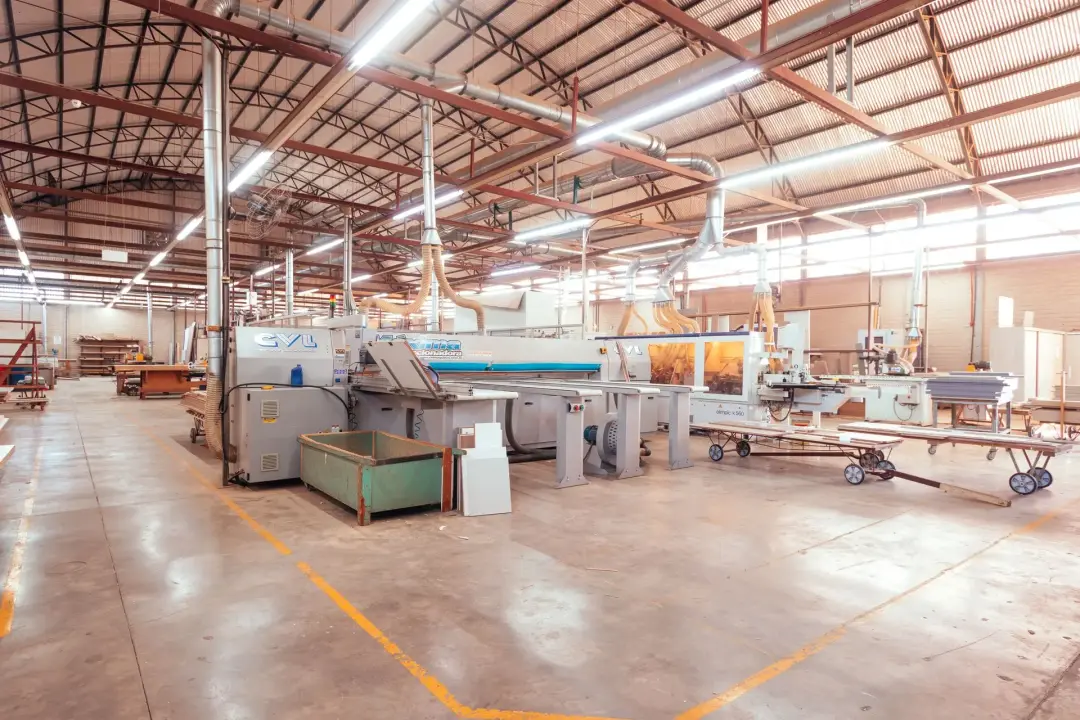
Industrial areas can contain oils, batteries, electrical equipment and other materials that need separate disposal arrangements. These should be identified before the main clearance starts.
Large machinery and fixed installations may require dismantling or specialist lifting equipment. Vehicle access and loading areas should also be planned in advance.
Once the main contents are removed, the property can be checked for smaller waste and remaining fixtures. A structured closure clearance helps ensure the premises are left in the required condition while giving the business an opportunity to recover reusable materials and remove unwanted items responsibly.
Preparing for a Business Relocation
Business relocation often creates a need for partial or complete factory and warehouse clearance. Equipment and stock being moved must first be separated from items that are no longer required. The business should create a clear inventory showing what is being transferred, sold, recycled or disposed of. This reduces confusion during both the move and clearance.
Old shelving, broken furniture and obsolete equipment can be removed before moving day so they do not take up space in the new premises. The clearance team can work around the relocation schedule, dealing with redundant items while the moving company handles assets that are being retained.
Loading bays and vehicle access should be coordinated carefully because several contractors may need to use the same areas. Planning clearance alongside the relocation helps reduce the volume being transported and makes the new site easier to organise from the beginning.
Moving to a Smaller Factory or Warehouse
Moving to a smaller factory or warehouse often means the business cannot take every existing item to the new premises. A clearance can help reduce stock, equipment and furniture before relocation begins. The business should identify which machinery, racking and materials are essential for future operations. Anything duplicated, obsolete or no longer used can then be considered for sale, recycling or disposal. Excess stock may also need attention. Some products can be discounted, transferred or sold before the move, while damaged or outdated material may require clearance.
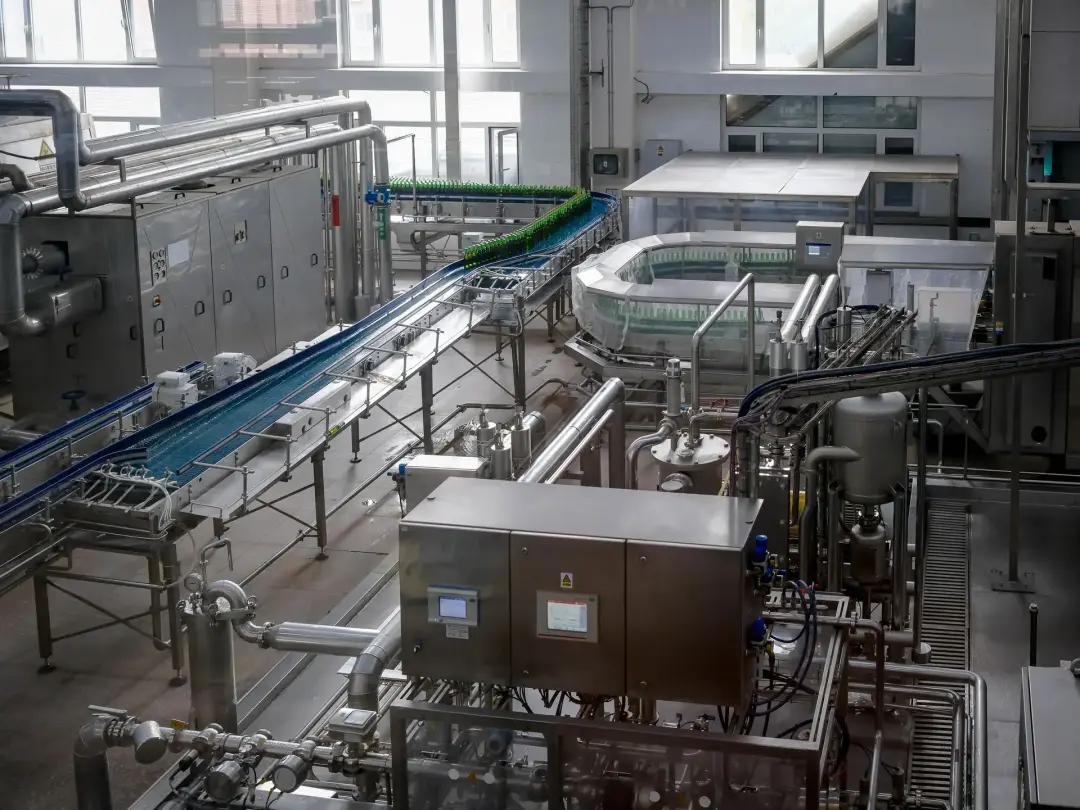
Reducing the number of items being moved can lower transport requirements and prevent the new premises becoming overcrowded immediately. Large industrial equipment should be assessed early because dismantling and removal may require specialist machinery or additional time.
Office areas should also be included. Desks, filing cabinets and electronic equipment can take up significant space in a smaller building. A staged clearance makes it easier to reduce the contents of the old premises gradually while normal operations continue.
By removing unnecessary items before relocation, the business can move into the smaller property with a more organised layout and make better use of the limited space available.
Expanding into a Larger Industrial Property
Moving into a larger industrial property can also create clearance requirements at the old site. Redundant materials should not automatically be transported simply because more space is available at the new location.
The relocation provides an opportunity to review machinery, shelving, stock and office equipment before moving. Items that are worn, outdated or no longer useful can be removed during the clearance rather than filling valuable space in the new premises. The business may also need to clear the existing property completely before handing it back to a landlord.
At the new site, some unwanted fixtures or materials left by a previous occupant may also require removal before installation begins. Combining relocation planning with clearance can make the move more efficient. Starting the larger premises with only useful stock and equipment can make layout planning easier and reduce unnecessary clutter from the beginning.
End-of-Lease Factory and Warehouse Clearance
An end-of-lease clearance may be needed when a business must return a factory, warehouse or industrial unit to the landlord. The exact requirements depend on the lease and the condition in which the property must be handed back.
Businesses should review their obligations early rather than waiting until the final days of the tenancy. Machinery, stock, racking, furniture and waste may all need to be removed. Some fitted items may also need dismantling if they were installed by the tenant. This can include storage systems, workbenches, partitions or certain production equipment.
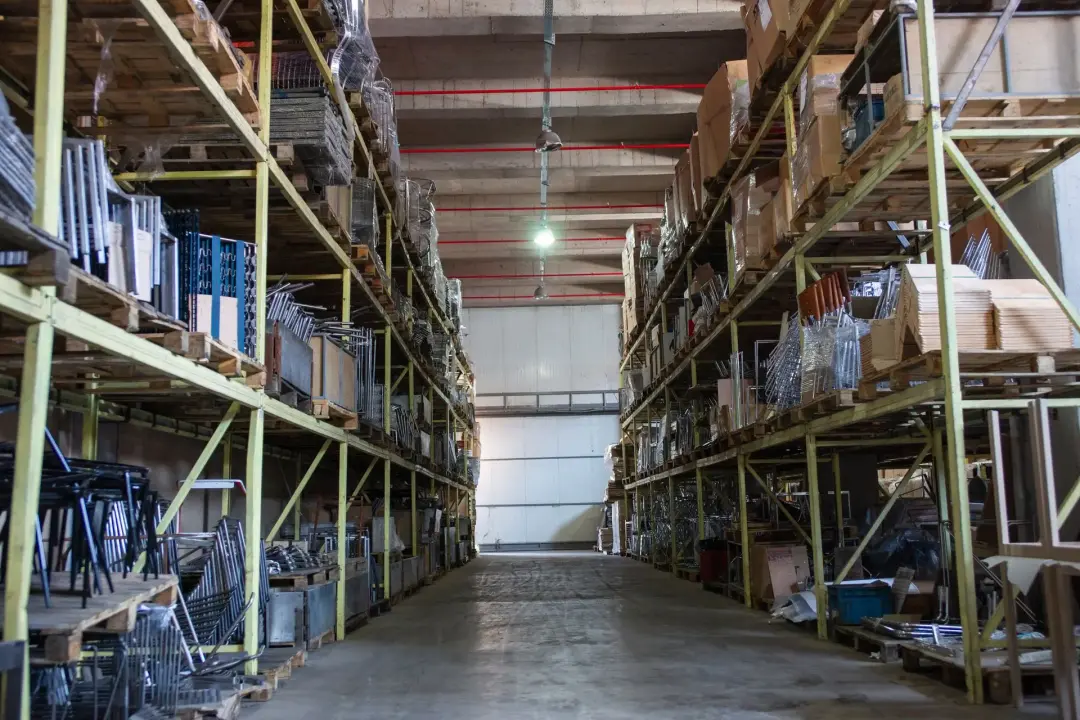
Large clearances can take longer than expected, particularly where heavy machinery or significant waste volumes are involved. Starting early provides more time for controlled removal. Waste should be separated appropriately, and reusable items can be sold or transferred where practical.
The landlord or managing agent may also require specific areas to be cleaned or left empty for inspection.
A professional clearance company can coordinate labour, vehicles and equipment so the premises are cleared efficiently. Planning the project around the lease end date helps reduce the risk of delays, additional rent or disputes over items left behind after the tenancy has officially finished.
Preparing an Industrial Unit for New Tenants
Industrial units often need clearance before new tenants can move in. Previous occupants may leave behind shelving, machinery, furniture, packaging or general waste that does not suit the incoming business.
The landlord or property manager should identify what needs to remain and what can be removed. Existing racking or workbenches may be useful to a new tenant, so these items should not be cleared automatically. Once the unwanted contents have been identified, the clearance can be organised around any cleaning, repair or refurbishment work.
Large items may require dismantling before removal, particularly where access is restricted. Clearing the unit creates a more neutral and usable space for viewings, fit-out work and occupation. It also allows damaged floors, walls or services to be inspected once previously obstructed areas are accessible. A well-planned clearance can therefore form an important part of preparing industrial property for reletting.
Clearing a Property Before Sale
Clearing a factory or warehouse before sale can make the property easier to inspect, photograph and present to potential buyers. Unused machinery, damaged racking and accumulated waste can make an industrial building appear smaller and more difficult to assess.
Removing unnecessary contents allows buyers to see the available floor space, loading areas and condition of the building more clearly. The owner should decide which assets are included in the sale and which will be removed beforehand. Machinery or storage systems may sometimes form part of the transaction.
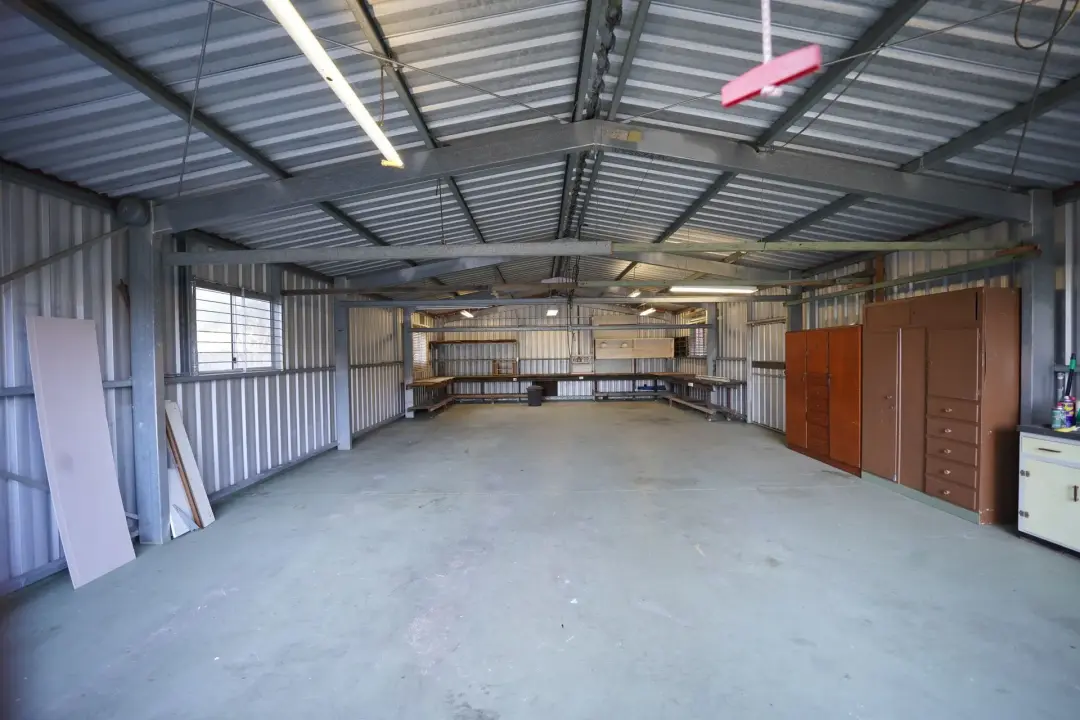
Anything that is not included should be clearly identified before the clearance team arrives. Waste, old stock and broken furniture can then be removed, while reusable materials are separated where possible.
Clearing storage areas and production floors may also reveal maintenance issues that need attention before viewings begin. Large equipment should be removed carefully to avoid damaging floors, doors or other parts of the property.
A clean, organised building can make the sale process more straightforward because prospective buyers can understand the usable space without working around redundant contents. Completing the clearance before marketing or final handover also reduces the chance of last-minute delays caused by unwanted materials remaining on site.
Preparing a Site for Renovation Work
Renovation work is easier when contractors have clear access to the areas being refurbished. Factory and warehouse clearance can remove old fixtures, furniture, waste and equipment before building work begins.
The clearance should be coordinated with the renovation programme so contractors know when each area will become available. Items that are being retained should be moved or protected rather than removed accidentally. Shelving, partitions and redundant equipment may need dismantling to expose walls, floors or services. Removing clutter also gives contractors more space for tools, materials and access equipment.
Where the business remains operational, clearance and renovation may be completed in phases. One section can be emptied and handed over to the building team while normal operations continue elsewhere. Preparing the site in advance helps prevent clearance work from delaying contractors and makes the renovation area easier to manage from the start.
Factory and Warehouse Clearance Before Demolition
Before a factory or warehouse is demolished, the building often needs to be cleared of machinery, stock, fixtures, furniture and loose materials. This allows demolition contractors to work within a more controlled and predictable site.
The first stage should identify items that can be reused, sold or recycled. Industrial buildings may contain large quantities of metal equipment, racking and machinery with recoverable value. Electrical equipment, batteries, oils and other specialist materials should be separated from general waste. Certain hazardous materials may require additional specialist assessment and removal before demolition starts.
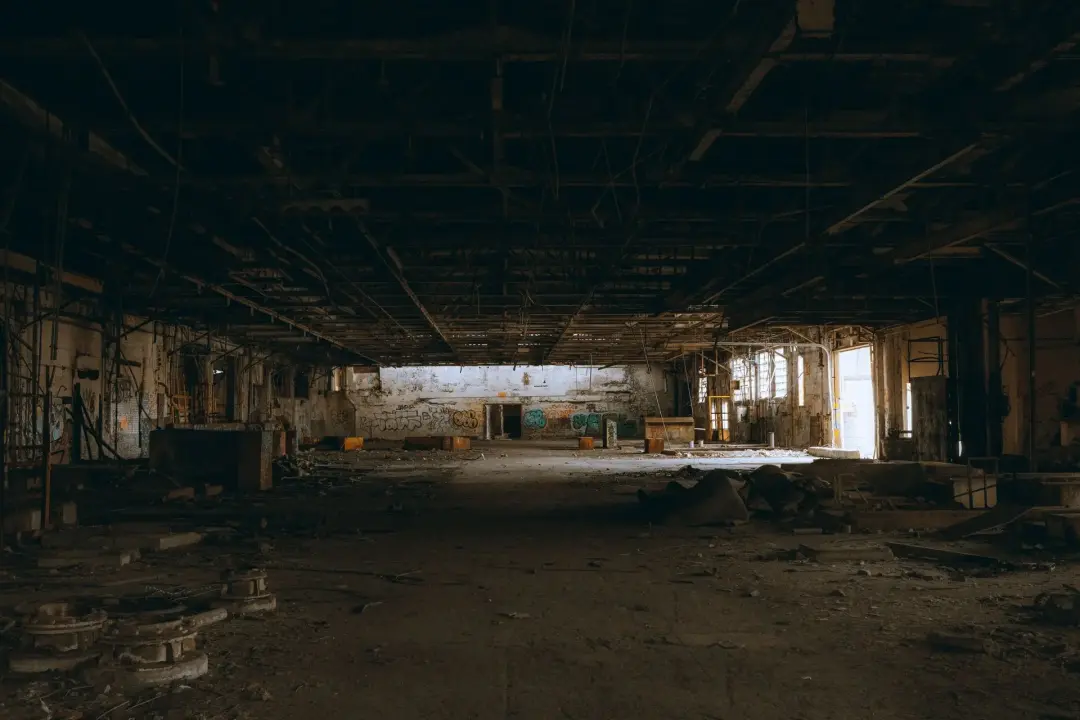
Heavy machinery can require dismantling, lifting or cutting before it can leave the building. Access for cranes, forklifts and waste vehicles should therefore be considered.
Office areas, storage rooms and external yards should also be included in the clearance plan. The demolition contractor may specify how empty the building needs to be before taking control of the site.
Coordinating directly with them can prevent duplication of work. A thorough pre-demolition clearance reduces the quantity of loose material inside the structure and can make recycling easier. It also gives the project team a clearer understanding of what remains within the building before structural demolition begins.
Removing Old or Unused Machinery
Old or unused machinery can occupy large amounts of valuable production or storage space. Removing it may be necessary before relocation, refurbishment or installation of replacement equipment. The machinery should be assessed before removal to determine its weight, dimensions and connection to services.
Electricity, compressed air, water, fuel or other supplies may need to be isolated and disconnected safely. Large machines may require forklifts, cranes, machinery skates or other specialist lifting equipment. Some equipment can be dismantled into smaller sections to make removal easier.
The business should also decide whether the machinery is being sold, recycled or disposed of. Reusable machines may need more careful handling than equipment destined for scrap. Planning removal properly helps protect floors, doors and nearby working equipment while creating clear space for future business use.
Clearing Redundant Industrial Equipment
Redundant industrial equipment can accumulate gradually as businesses upgrade machinery, change processes or stop producing particular products. Although equipment may no longer be used, it can continue occupying valuable floor space for years.
A clearance project provides an opportunity to identify these items and remove them from production and storage areas. Before removal, the business should confirm that each piece is genuinely redundant. Equipment may contain useful spare parts or have resale value. Machines that are no longer operational can still contain oils, batteries, electrical components or other materials requiring separate handling.
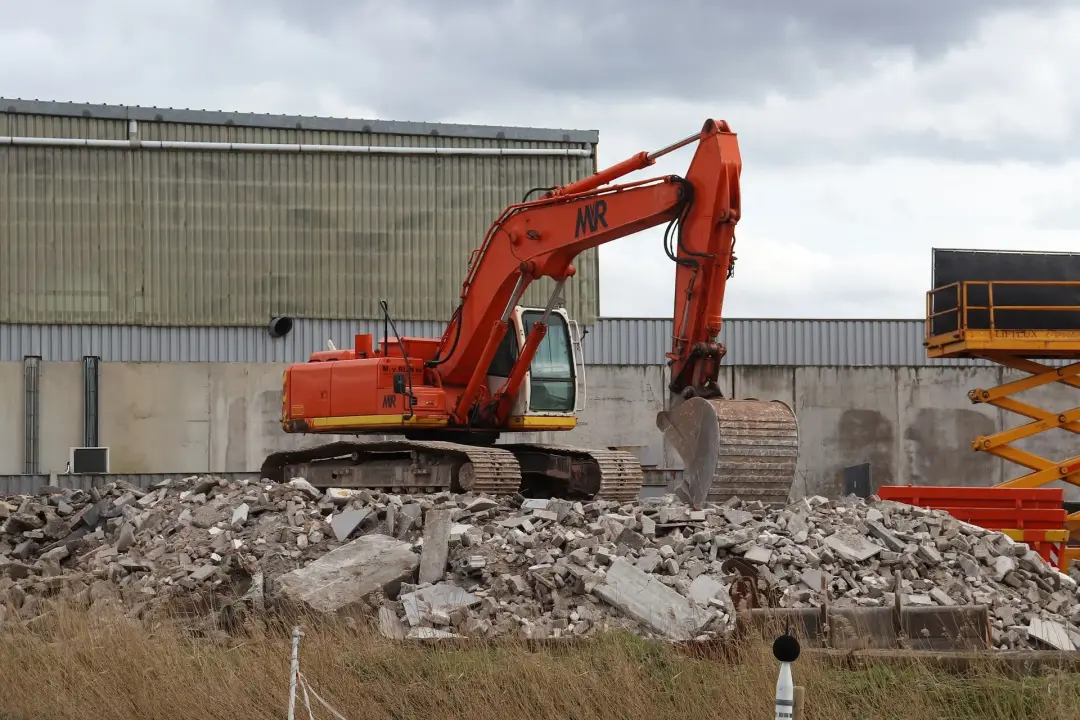
The removal method depends on size and weight. Small equipment may be moved using standard handling aids, while heavier units can require lifting machinery.
Fixed equipment should be disconnected from services before movement begins. Where the factory remains operational, removal should be planned around nearby employees and active machinery. The area can be isolated temporarily while equipment is dismantled and transported.
Removing redundant industrial equipment can improve access, free space and reduce clutter around production areas. It may also make maintenance easier by allowing staff to reach machinery and services that were previously obstructed by unused equipment.
Removing Unwanted Shelving and Racking
Old shelving and pallet racking may need removal when a warehouse layout changes, a business relocates or storage equipment becomes damaged or redundant. The structure should be emptied completely before dismantling begins.
Stock that remains on site should be moved to another secure location. Racking components need to be taken down in a controlled sequence so the remaining structure stays stable. Heavy beams and uprights may require mechanical handling equipment. Bolts, floor fixings and sharp metal components should be collected carefully during the work.
Where only part of a racking system is removed, the remaining section should be checked to ensure it remains suitable and stable. Removed metal may be suitable for reuse or recycling depending on its condition. Professional dismantling helps reduce the risk of damage to flooring, stock and surrounding equipment while creating a clear area for new storage systems or alternative use.
Clearing Excess or Obsolete Stock
Factories and warehouses can accumulate excess or obsolete stock when product ranges change, orders are cancelled or demand falls. Keeping material that is unlikely to be used again can take up valuable storage space and make inventory management more difficult. A stock clearance allows the business to separate usable products from damaged, outdated or unwanted materials. The first step should be reviewing inventory records and confirming which items can be removed. Stock should not be cleared solely because it has been stored for a long time.
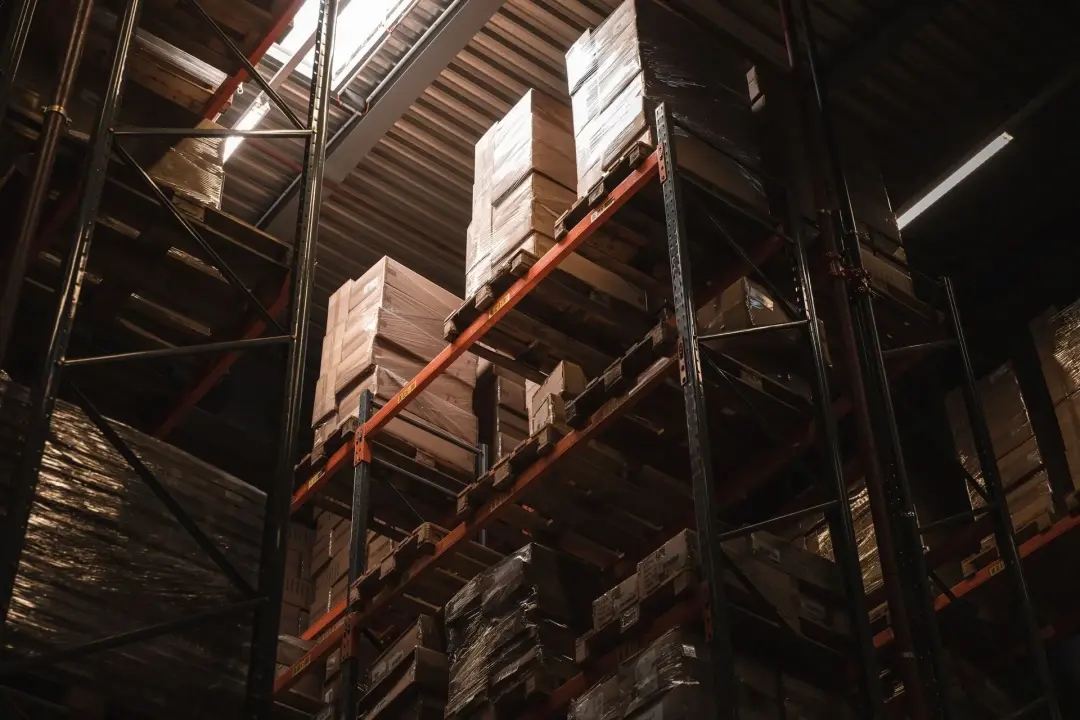
Some goods may be suitable for resale, donation, transfer or discounting rather than disposal. Damaged packaging and unusable products may need to be separated according to material type.
Large quantities should be removed in an organised sequence so forklift and pedestrian routes remain accessible. Where the warehouse continues operating, individual aisles or bays can be cleared in stages.
Obsolete stock may also contain materials requiring specialist handling, depending on the products stored. Removing unnecessary inventory can improve available capacity and make active stock easier to locate. It can also help businesses prepare for relocation, reduce storage costs and create space for new product ranges without immediately expanding the warehouse.
Removing Old Office Furniture and Equipment
Factory and warehouse sites often contain offices, meeting rooms and staff areas that accumulate unwanted furniture and equipment. Desks, chairs, cabinets, shelving and filing systems can be removed as part of the wider clearance. Electronic equipment should be assessed separately from ordinary furniture.
Computers, monitors and other electrical items may require appropriate recycling or data handling. Confidential paperwork should also be identified before office furniture is removed. Reusable furniture may be transferred to another site, sold or donated where practical.
Large desks and cabinets can be dismantled if this makes them easier to move through narrow doors or corridors. Clearing office areas can support refurbishment, relocation or a change in staffing requirements. Including administrative areas in the overall project ensures the entire factory or warehouse site is addressed rather than leaving unwanted office contents behind after industrial clearance work is finished.
Clearing Packaging and Pallet Waste
Packaging waste can accumulate quickly in busy factories and warehouses. Cardboard boxes, plastic wrapping, timber pallets and damaged containers may build up around storage and dispatch areas if they are not removed regularly.
A dedicated clearance can help restore usable floor space and improve access around these areas. Different packaging materials should be separated where practical. Cardboard, timber and certain plastics may be suitable for recycling rather than general disposal. Pallets should be assessed before removal because some may still be reusable. Standard pallets in reasonable condition can sometimes be returned, reused internally or transferred elsewhere.
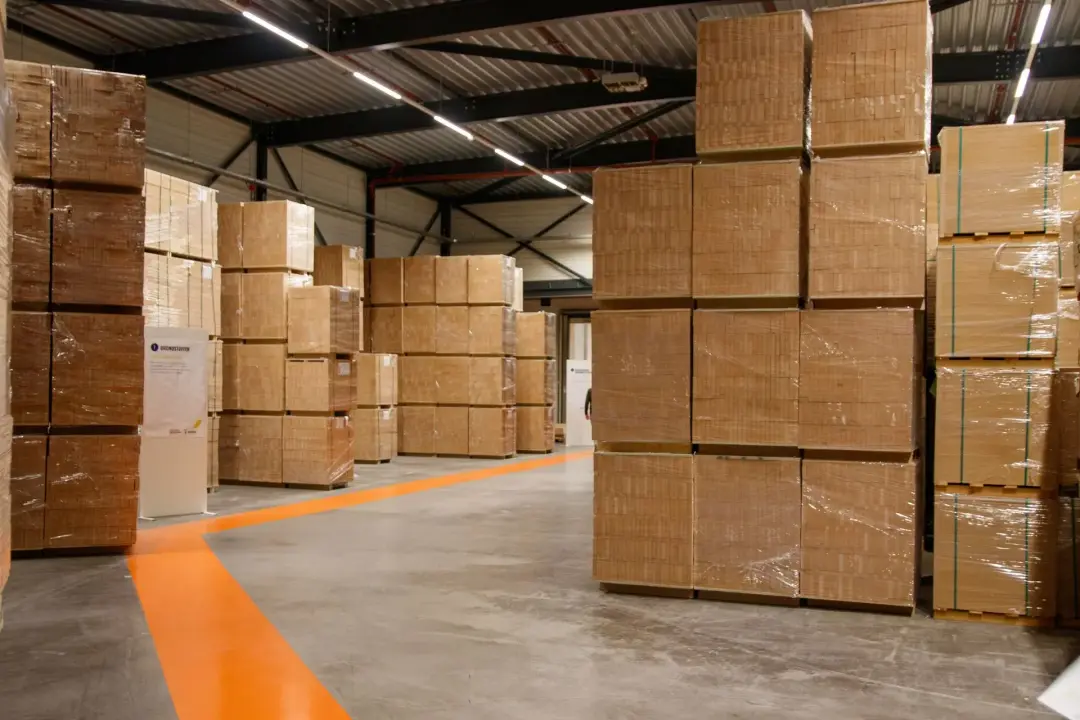
Broken pallets should be handled carefully because exposed nails and damaged timber can create hazards. Large volumes of packaging can occupy considerable space even when individual items are lightweight.
Compaction or suitable containers may make collection more efficient. Waste should not be stacked in fire exits, vehicle routes or pedestrian walkways while waiting for removal.
Factories producing regular packaging waste may also benefit from reviewing ongoing collection arrangements after the initial clearance.
Removing accumulated packaging and pallets can create immediate improvements around loading bays, storage aisles and production areas while making future waste management easier to organise.
Removing Scrap Metal and Recyclable Materials
Scrap metal and recyclable materials can build up during manufacturing, repairs, equipment replacement and refurbishment work. These materials may include steel, aluminium, cable, timber, cardboard and plastics. Separating recyclable materials can reduce the amount of waste sent for general disposal and may make the clearance more efficient.
Metal machinery parts, redundant shelving and racking can often be collected separately from mixed rubbish. Materials should be stored in suitable areas while awaiting removal so they do not obstruct normal site activity. Sharp or heavy metal items require careful handling to reduce the risk of injury. The clearance provider should understand which materials can be recycled and how they need to be transported.
Where suitable, reusable items should be identified before they enter the waste stream. Organised recycling helps businesses clear unwanted material while making better use of resources that still have recoverable value.
Clearing Production Areas
Production areas may need clearance when machinery is replaced, manufacturing processes change or the layout is being reorganised. Redundant equipment, workbenches, materials and accumulated waste can all reduce the usable space around active operations.
Before clearing begins, the business should identify which equipment remains connected to production. Items should not be moved simply because they appear unused at the time. Production schedules also need to be considered. Some clearance work may be completed during quieter periods or planned maintenance shutdowns. Machinery that is being removed should be isolated from relevant services and handled using suitable lifting equipment.
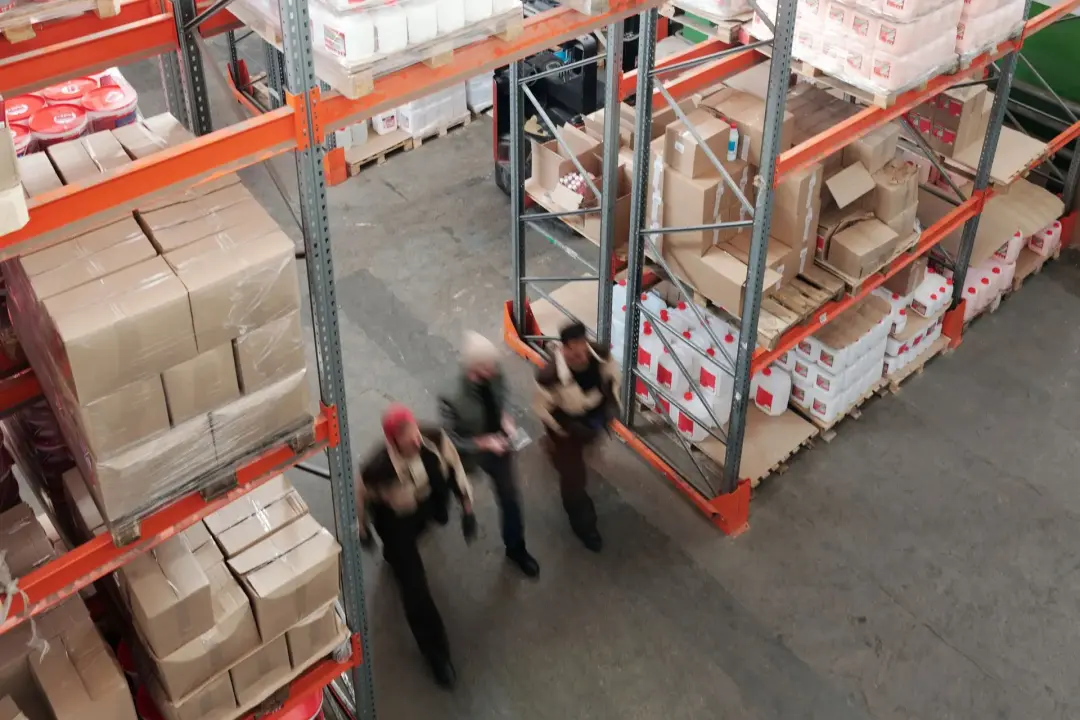
Waste and redundant materials should be taken out through agreed routes that do not conflict with active forklifts or employees. Where only part of the production floor is being cleared, barriers can separate the work from operating machinery.
The completed area may be prepared for new machinery, improved access or a different production process. Clearing production areas can also reveal damaged floors, redundant cables and unused services that were previously hidden.
A planned approach allows the business to improve the workspace without causing unnecessary interruption elsewhere. Where major equipment is involved, the clearance provider should coordinate closely with engineers and site managers throughout the project.
Do you require factory and warehouse clearance in Cambridge, Royston and Hertfordshire? Our rubbish collectors have many years of experience and will complete the job, ensuring your factory and warehouses are left in a clean and tidy state to achieve happy clients and customers.